Cultural well-being is becoming an established part of Finnish welfare policy. The importance of culture is particularly recognised in promoting health, supporting mental well-being and strengthening inclusion. Despite this – or perhaps because of it – international cooperation in the field of cultural well-being is even more important than before.
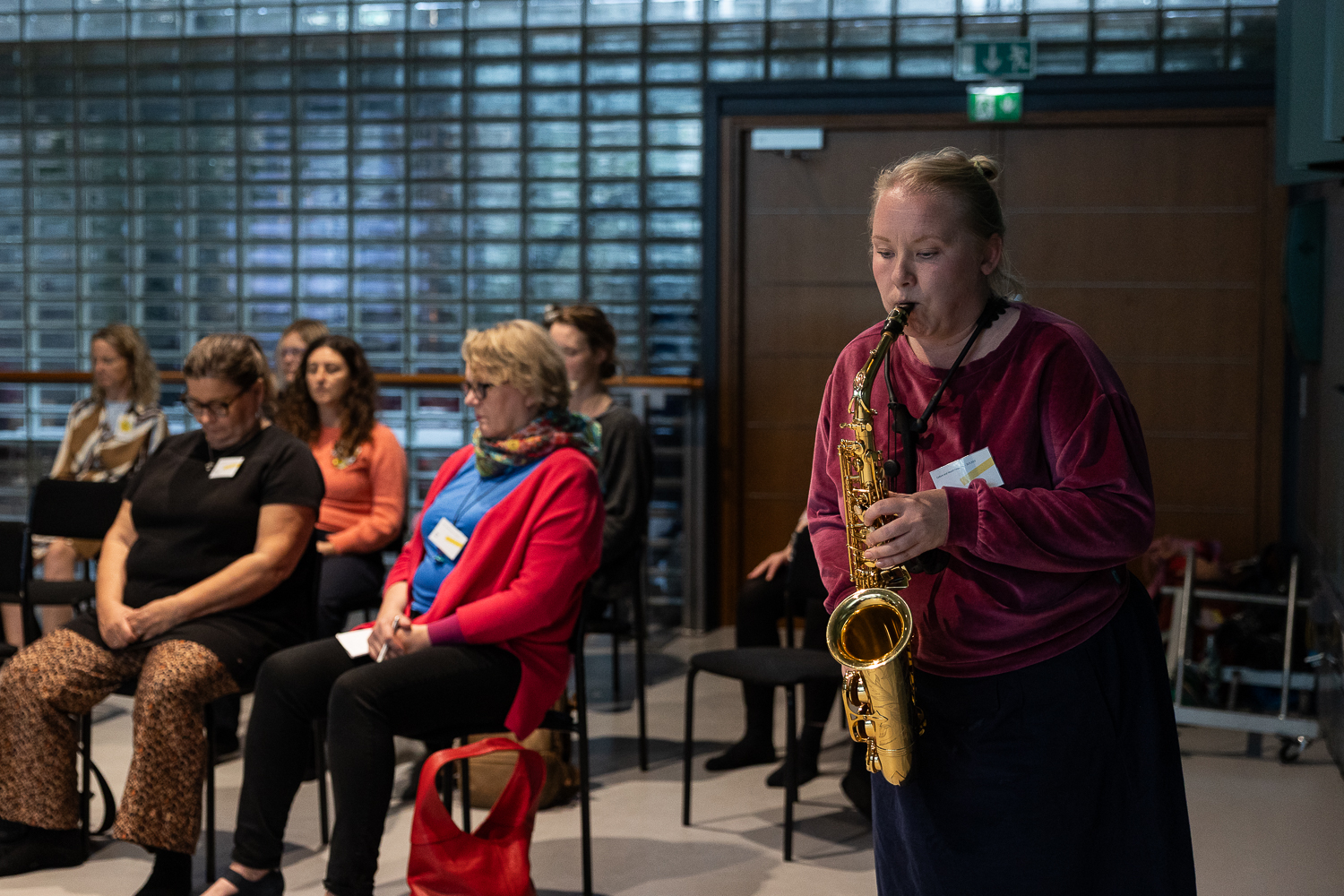
In the Culture and Health Forum’s diverse programme, 19 artists presented their work in workshops and parallel sessions. Artist Saaramaija Żórawski’s Voice sung method is being piloted with young cancer patients at the HUS Cancer Centre. Photo.
Published:
Edited:
Turku University of Applied Sciences, the national cultural wellbeing contact point Taikusydän and the Nordic Arts and Health Research Network organised the international Culture and Health Forum event in Turku on 29-30 September 2025.The two-day event brought together more than 180 artists, experts, supporters and educators from 21 countries working at the interface of culture, art, health, wellbeing and social issues. The event was followed by a two-day artist training session with 30 artists from across Europe.
The event also provided an update on the recently published report of the European Commission’s OMC Expert Working Group on Culture and Health: Time to Act, which presents key recommendations for strengthening the links between culture and health in Europe, as well as good practices and examples from EU Member States. In Finland, the report includes, for example, the Turku University of Applied Sciences’ Master’s Degree in Cultural Wellbeing.

Cultural well-being is an international phenomenon, says event coordinator and expert Anna-Mari Rosenlöf from the Cultural Well-being Research Group at Turku University of Applied Sciences.
– We have a lot to learn from our international partners. In the artists’ projects supported by the CultureAndHealth Platform, collaboration with health and social professionals and organisations is key. Artists work together with occupational therapists, nurses, doctors, social workers and NGOs.
The event was part of the four-year CultureAndHealth Platform project (2024-2028), co-funded by the European Union, which supports more than 200 artists working in the field of cultural well-being.
By making art and taking part in cultural events, you can take care of your own mental health
The keynote speaker was Professor Christina Davies, Director of the Centre for Arts, Mental Health and Wellbeing at the University of Western Australia. She has organised the successful Good Arts, Good Mental Health® campaign in her home country, which claims that two hours of art a week is proven to increase mental wellbeing.

The campaign was planned in close cooperation with local actors and residents. The four-week campaign, which cost €116 000, reached around one million Western Australians. The campaign’s message was to encourage people to make art and participate in cultural events to support their mental health. A survey of the campaign found that up to 41% of people reached by the campaign were highly motivated to act on the message.
Art has a lot to offer in supporting young people’s mental health
Concerns about mental health, especially among young people, are shared internationally. The Culture and Health Forum discussed the potential of the arts to support young people’s mental health, focusing on interaction, community and empowering young voices.

Experts on cultural well-being consider the role of arts and culture to be particularly important in supporting young people’s mental health. Elina Rantanen, Deputy Mayor of Turku, said in a panel discussion, “Culture and art have a huge impact on the mental health of all of us and, of course, of children and young people, but we certainly do not yet know how to make enough use of it in the prevention of mental health problems.”
Maru Hietala, project manager at the Children and Youth Foundation, an activist, highlighted the lessons learned from previous crises: “We had the COVID pandemic, where no one dealt with the fears of young people. We adults were afraid and how abstract it was the thing we were afraid of. Children and young people had no way of dealing with the pandemic. But art supports the development of young people’s mental health skills and workshops give them concrete ways to deal with their emotions.”
Satu Haapalainen, lecturer in health at Turku University of Applied Sciences, emphasises the importance of cooperation: ‘We definitely need to increase this discussion and cooperation in order to create solid models of collaboration. In particular, it is good to facilitate access for artists to work in social and health services in a concrete way.”
Artists’ projects support international work
Lida Kuusisto, a circus artist and YAMK student of cultural wellbeing from Turku, presented her Sensory Circus project, which supports the wellbeing of people with neuromuscular disorders through circus. The project is funded through the CultureAndHealth Platform project and was made possible by the City of Turku’s Culture and Health Forum project. During the Culture and Health Forum event, Lida’s focus was on building an artistic and international network.

“Presenting the Sensory Circus project to an international audience forced me to verbalise my own work in a new way, which clarified my thoughts for myself as well. It gave me the courage to take my expertise in cultural well-being internationally,” says Kuusisto.
He received positive feedback, particularly on how his work on neuromonautics attracted interest in other countries. “At the event, I received several contacts from people who would like to bring circus methods to specific groups in their own countries. I see this as an opportunity for longer-term international cooperation that would benefit all parties involved.”
Kuusisto also feels that the field of cultural well-being in Finland is on a strong footing in international comparisons, although there is room for improvement.
“We have many good practices here that are of interest to international partners. At the same time, they give us new perspectives on our own work. It is this kind of mutual learning that is extremely valuable.”


See also:
Read next:
-
Phenomenon
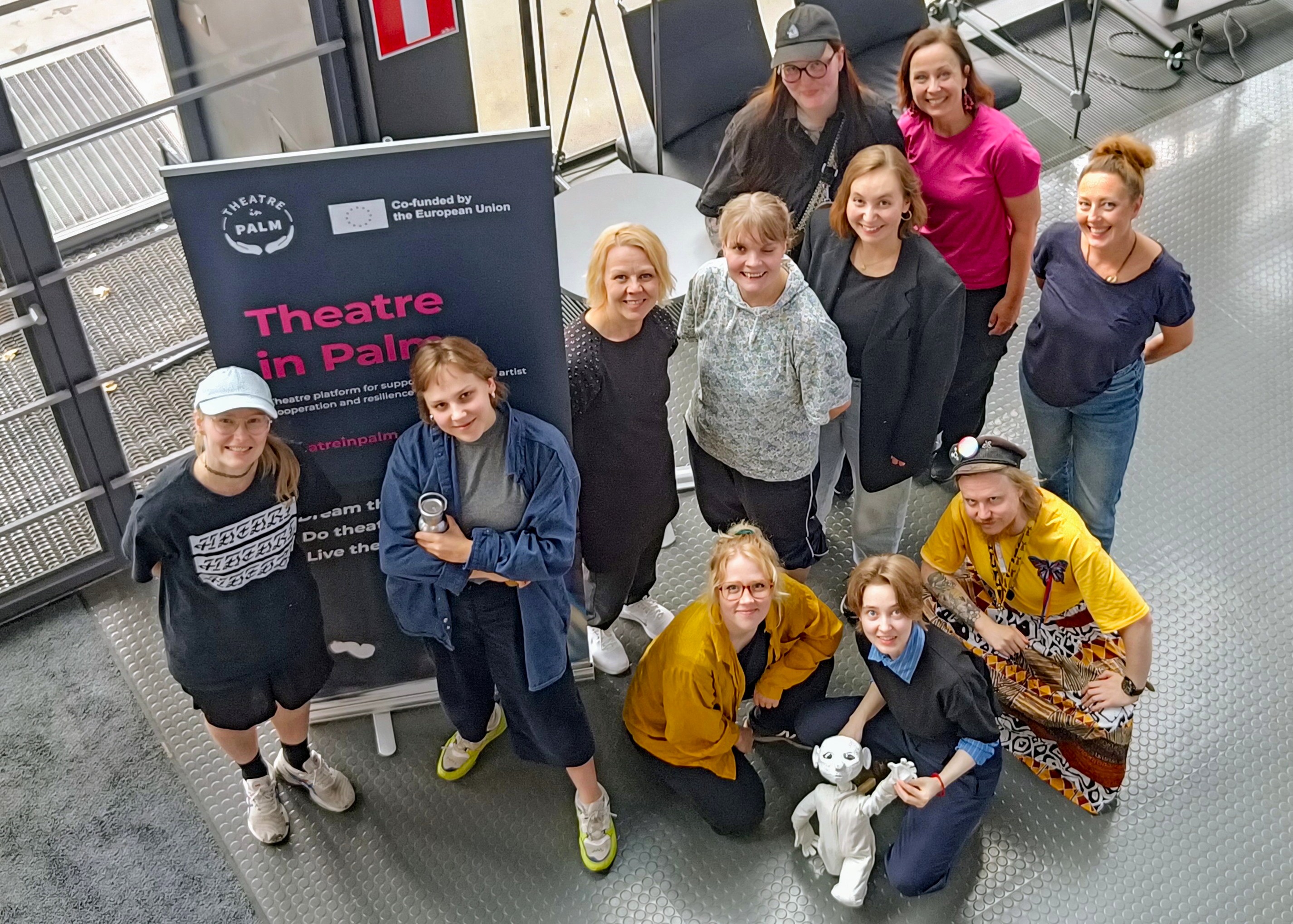
Theatre is alive – A new European theatre community was born in Theatre in Palm
How do young and emerging theatre artists get exposure? This challenge was taken up by the international Theatre in Palm project, coordinated by the Turku UAS Arts Academy…
-
Phenomenon
Art creates new connections
Art or culture is not an add-on to everyday life, a single aesthetic experience. It is a life force, a source of inclusion and well-being—and the ability to…
-
News
Animation from Turku celebrated in Germany – Capitals of Culture Chemnitz and Oulu collaborate
The animation education at the Arts Academy of Turku University of Applied Sciences, which has been chosen as the best in the world twice, celebrates its 30th anniversary…