
How do young and emerging theatre artists get exposure? This challenge was taken up by the international Theatre in Palm project, coordinated by the Turku UAS Arts Academy . In addition to providing performance opportunities and other events during the project, it created a broad international support network and a new platform for collaboration.
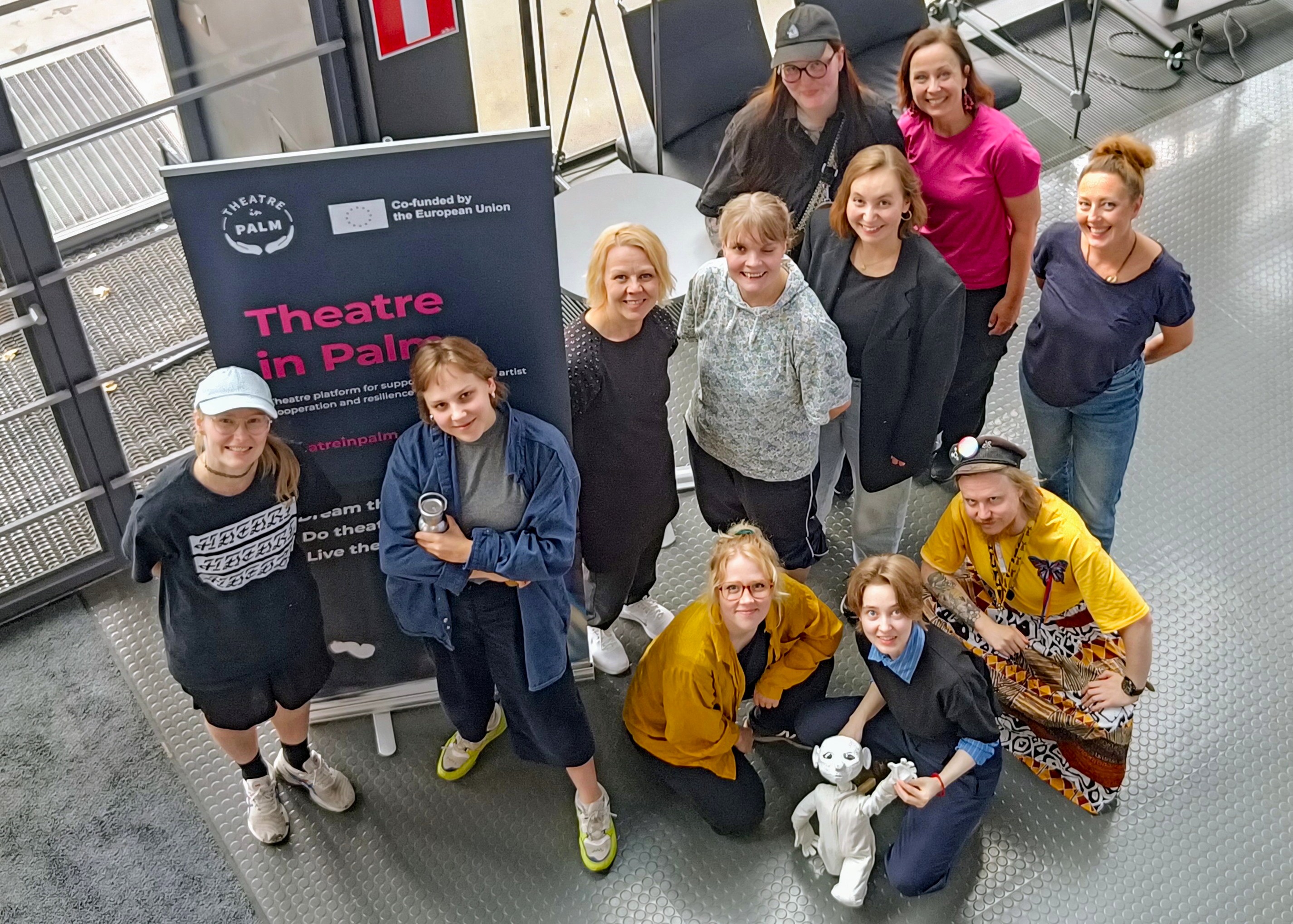
The 2024 Nousut Festival in Turku was part of the Theatre in Palm project. The photo is from the media event for the festival. Photo by Anne Nenonen
Published:
Edited:
Text: Satu Haapala and Anne Nenonen
The three-year project involved 12 countries and over 13 000 participants. The Theatre in Palm (TIP) project brought together emerging theatre artists and professionals from across Europe on a larger scale than perhaps any other project before.
Theatre in Palm, coordinated by Turku University of Applied Sciences, was the first Creative Europe-funded platform project in the theatre sector that not only responded to the challenges of the pandemic but also built a new kind of European theatre community.
The experience changed the way I think about art
The aim of the project was to increase the international visibility of emerging European artists and their work, as well as their access to cultural events and activities. At the same time, the project encouraged performing arts professionals to build collaborations both locally and across Europe.
The project focused in particular on supporting young and emerging theatre artists. Training, mentoring, international visits and performances were offered to help artists find their voice and audience.
Kaisa Kauppinen is a theatre artist and educator from Turku, Finland, whose work explores the stories of individuals through a social lens. During the project, she performed a solo piece on women’s rights at the Season at the Attic event in Romania.
After the performance, the audience had a chance to discuss the topic and ask the artist about the process. One participant told about her own background and her wish to see more performances on the subject.
“In making art, I’ve been thinking about whose stories are being told, how they are being told and who has the right to tell someone else’s story—just being altruistic and wanting to help doesn’t necessarily justify all stories. The discussion opened my mind to how I can tell stories about difficult topics, even if I have no first-hand experience of them. I can use art to bring stories to the fore that those who tell them do not want to be on display. The experience changed the way I think about art,” says Kaisa Kauppinen.
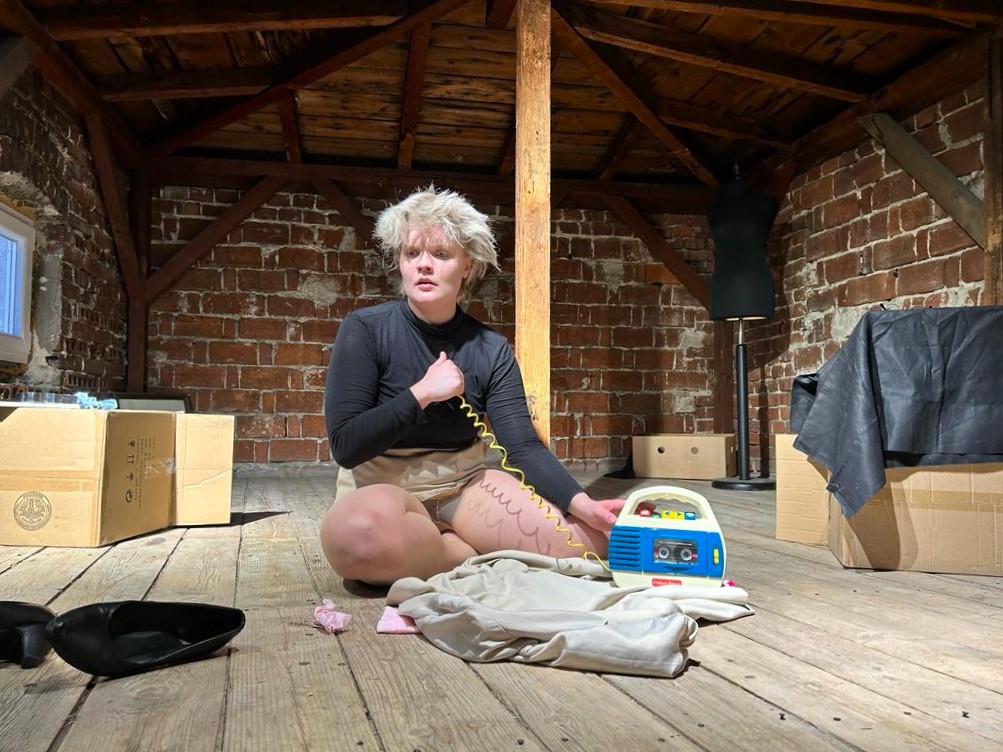
Kaisa Kauppinen participated in the Go & See event in Bulgaria in 2023 with her performance About Womankind. Photo by Alina Usurelu
Digital coffee talks, exchanges, residencies, laboratories
Theatre in Palm brought together 12 partner organisations from across Europe, including theatres, institutes and producers. The collaboration generated digital discussions, residencies, workshops, festivals and local activities.
Between 2022 and 2025, the project reached more than 13 000 people, either as participants or as audience. This was achieved by organising well over 200 events:
- 24 Digital Coffee Talks, where topical common issues were discussed, shared and resolved together. These two-hour online events were open to all.
- 24 artists participated in the Go & See mobilities. The exchange programme offered experts and emerging artists the opportunity to spend a few days in another project country to deepen cooperation between artists and organisations and create conditions for joint events and co-creation.
- 3 rounds of residencies in 12 countries for a total of 240 emerging artists to improve their skills and connections across Europe; digital residencies and hybrid residencies in 2023 and physical residencies in 2024. Each residency resulted in an artwork, play, script or event.
- 72 European Theatre Lab training events, which provided common learning opportunities. Hosted by participating countries, the labs were workshops, masterclasses, discussion or other events.
- 2 international three-day theatre academies, in Lisbon in 2023 and in Stockholm in 2024. The academies organised a variety of educational activities, both online and as physical events.
- 2 international festivals for theatre professionals, featuring co-productions and debates by young emerging artists, held in Ireland and Cyprus over 3 days.
- 24 Theatre Roadshow performances, two in each participating country. During 2024, each partner organised a range of local activities for artists and professionals in the cultural and creative sectors.
The digital repository brought together all the performances created during the project and served as a meeting point during the project and a collective memory afterwards.
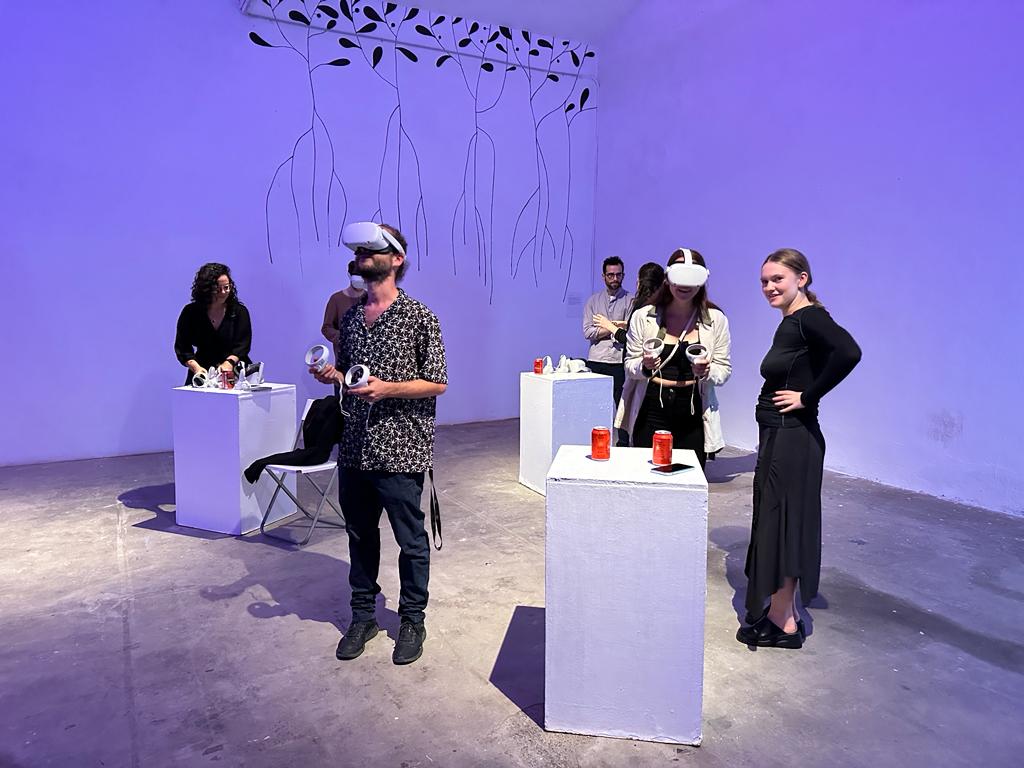
Theatre Movement, Barcelona 2023.
Values of social impact, equality and sustainability
Social values—in particular social impact, general equality and environmental sustainability—were at the heart of all activities. These themes were present in the content production, workshops and artistic solutions.
How were these values reflected in the events and performances?
“Environmental sustainability was a particular focus of our first two residencies, which were carried out in collaboration between all 12 partners. The artists worked on the environmental theme inspired by the pre-production materials in different configurations,” says Mervi Rankila-Källström, Senior lecturer and research team leader at Turku UA and content manager of the project.
At local level, in the different project countries, each partner organised their own artistic events as theatre laboratories. These events reflected all three values: social impact, equality and environmental sustainability.
The Turku UAS Arts Academy implemented three local theatre laboratories with an emphasis on social impact and equality in the “Gallery of the Forgotten” workshops. In these workshops, participants reflected on and explored stories that we do not usually hear or see on the different stages of the arts, using theatre-based methods.
“At the same time, the question of who does not have a voice in art, or who is missing among those who experience and participate in art, was highlighted. The Nousut-festival, organised in collaboration with the Tehdas Theatre in Turku, also highlighted performances by emerging artists. The performances addressed or were at the frontiers of values with questions, or invited new audiences into the auditoriums,” says Rankila-Källström.
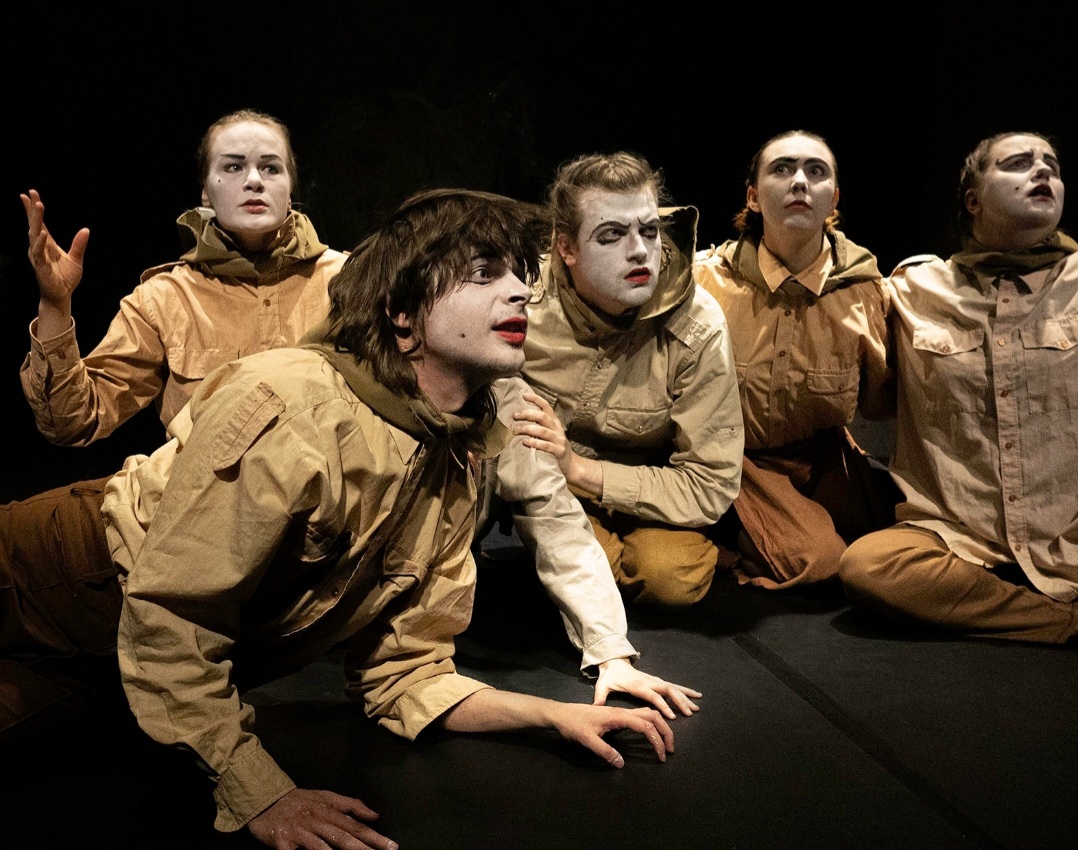
Theatre Movement 2024, Nousut Festival, Turku. Photo by Mariel Helovirta.
Audiences and visibility in new ways
The project reached audiences both live and online: 13 000 participants, 60 000 website visits and over 1700 social media followers. The digital repository remains a source of inspiration and a meeting place.
Artists were invited to join their own journey through the project, a journey in which each one chooses their own path. They shared their experiences on the website for the information and inspiration of others.
The project created a strong sense of a Europe-wide community working towards a common goal and helping to strengthen the European identity. This was reflected, among other things, on social media channels.
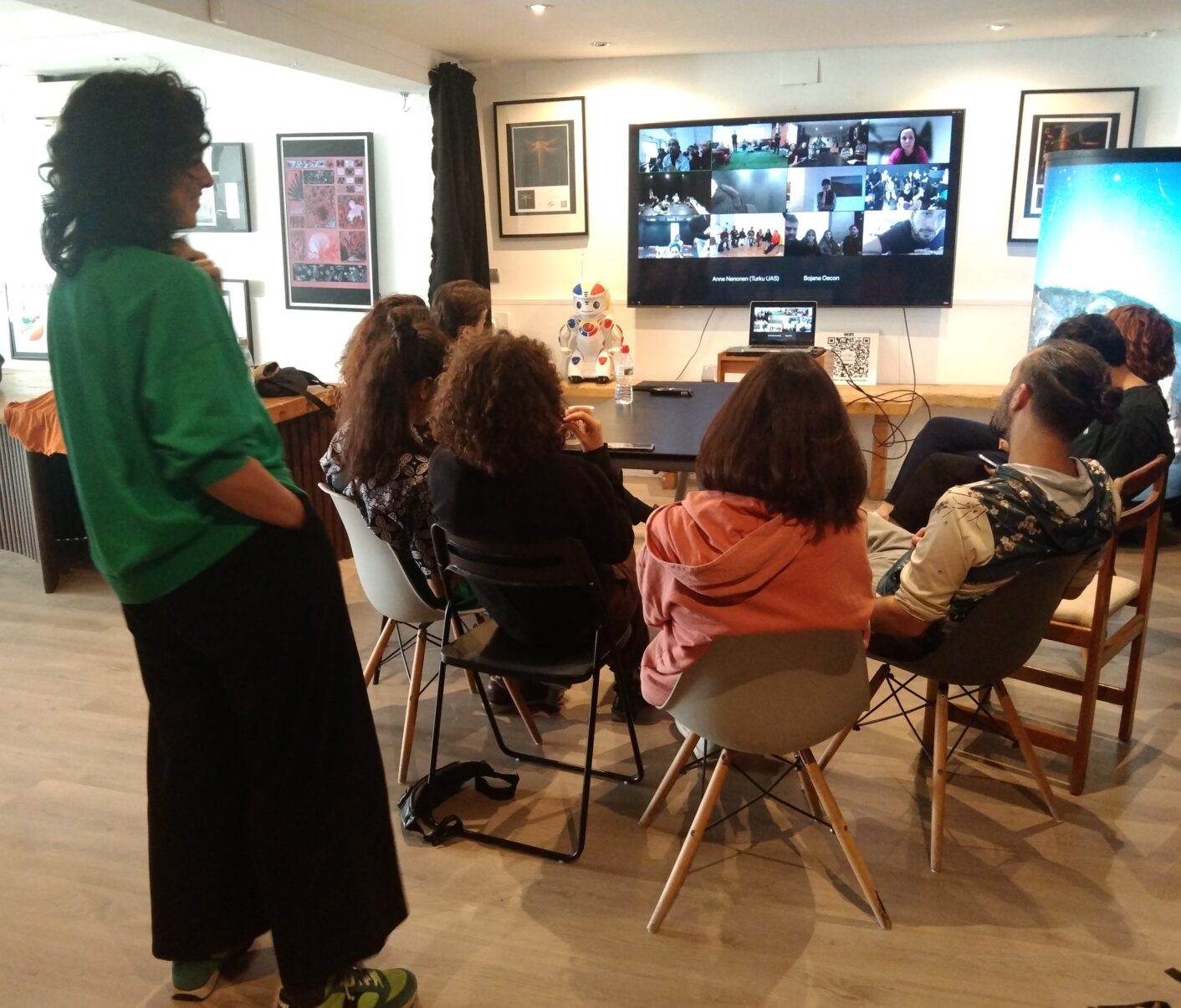
Hybrid residency in Barcelona 2024.
What’s next?
Although the funding for the continuation was not forthcoming, Theatre in Palm left its mark. It created concrete cooperation projects and performance opportunities, stimulated debate and showed that European cooperation can create new theatrical waves.
How will the project’s legacy be used in the future?
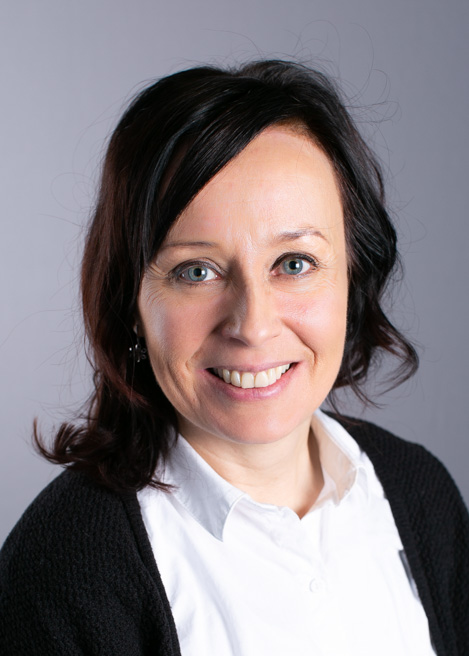
Theatre in Palm created a great European theatre network, where every actor understood the main goal of the project: to continue to support emerging artists, and to do so even more strongly. Art-making needs resources and structures to remain vibrant.
Mervi Rankila-Källström
Lecturer, Project Manager
The challenge is to get decision-makers at local, national and European level to understand the importance of supporting the arts. During the project, each project partner in twelve countries was confronted with the scarcity of resources to support the arts in their own country.
However, TIP brought together enablers, creators and advocates of theatre arts. The network became a support network and a new platform for subsequent collaborations.
The concrete and spectacular events, such as the closing festival in Cyprus in May 2025, also showed how talented and interesting the artists who participated TIP were. The cooperation between many participants will continue!
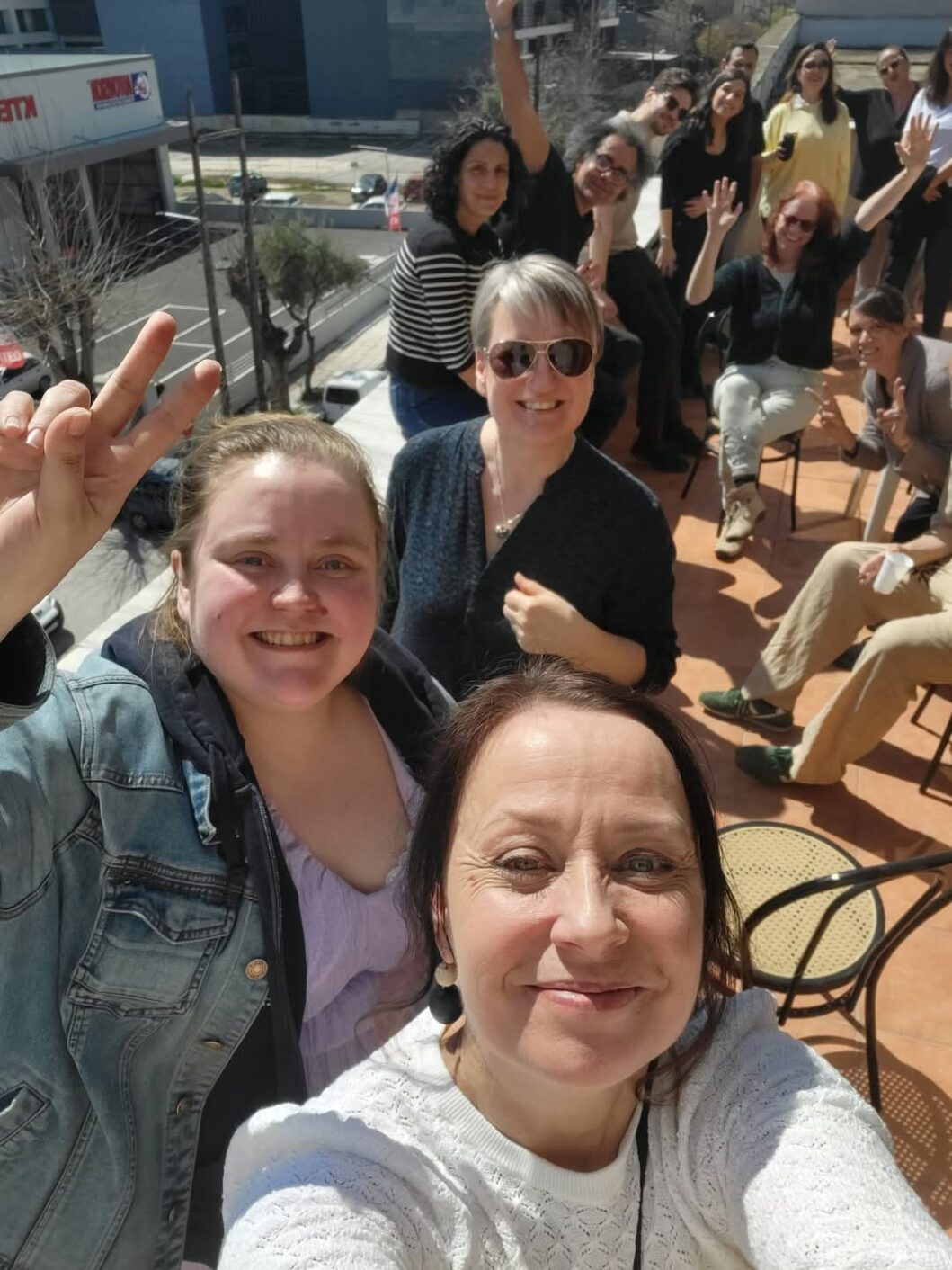
Project Managers Mervi Rankila-Källström and Kerttu Lehto and Project Communications Officer Anne Nenonen at a partners’ meeting in Thessaloniki in November 2025. In the background, project partners having a break at the final meeting.
Results in numbers
- 3 years, 12 countries, over 200 events and more than 13 000 people in total
- the third residency open call attracted a total of 1173 applications from across Europe
- over 60 000 visits and 12 000 visitors to the online platform
- 1188 followers on Instagram and 537 on Facebook.
The project partners
Intercult, Sweden
Fondazione E35 per la progettazione internazionale, Italy
Smashing Times International Centre for the Arts and Equality, Ireland
ESPRONCEDA/LEMONGRASS COMMUNICATION, Spain
JÁIT – international theatre, Portugal
Stichting ZID, Netherlands
CUBE, Greece
European Theatre and Film Institute, Belgium
THOC Cyprus Theatre Organisation, Cyprus
Homemade Culture, Romania
Oecon Group, Bulgaria
Read next
-
CaseNews
Cultural well-being matters – Culture and Health Forum event strengthens international cooperation
Cultural well-being is becoming an established part of Finnish welfare policy. The importance of culture is particularly recognised in promoting health, supporting mental well-being and strengthening inclusion. Despite…
-
Press Release

Turku UAS launches StartLab to make students’ business ideas come true
Turku University of Applied Sciences will offer mentoring for all its students to develop their own business ideas. A StartLab will be established where students can go for…