
Turku University of Applied Sciences, together with industry partners, has launched the Early Detection of Extreme Engine Events (EDE3) research project, which aims at early detection, prediction and prevention of severe engine failures in large engines.

Published:
Edited: 10.3.2026
Engine failures can cause long downtimes, high costs and safety risks. The EDE3 project aims to address these challenges by developing a real-time system that identifies and predicts potential engine problems before they occur.
The intended results are improved engine reliability, reduced operational risks and the research will provide the basis for new commercial condition monitoring solutions.
The project is based on the strong expertise in experimental research of the Turku University of Applied Sciences’ Engine Laboratory and the modeling expertise of the Computational Engineering and Analysis (COMEA) research group, which together provide valuable information for engine manufacturers and end users. The project is implemented in close collaboration with Turku University of Applied Sciences and leading industry players Wärtsilä, AGCO Power, Nome, Unikie and EDR&Medeso.
“EDE3 research project is expected to contribute to engine diagnostics and predictive maintenance capabilities. This will support both Wärtsilä and the wider industry to adapt to evolving energy systems,” says Dr Tero Frondelius, Senior Research Development Manager at Wärtsilä.
“By exploring new approaches to early fault detection and digital modelling, the project will explore the potential for improved reliability and efficiency – issues that are becoming more important as the energy transition accelerates. This research can contribute to future practices and technologies in different industrial sectors,” Frondelius continues.
As part of a joint Business Finland research project, the EDE3 project will use controlled engine testing, digital twin technology and adaptive diagnostics. These will allow engine behaviour to be modelled and monitored in the form of a digital twin, a virtual version of the real engine. When deviations are detected in the digital model compared to the real measurement data, the system can detect the onset of a fault at an early stage.
The approach developed by the EDE3 project enables a step-by-step approach to fault detection: from simple fault detection to locating the component that caused the fault and assessing the remaining life of the engine.
Read more about our research
Read next
-
Press Release
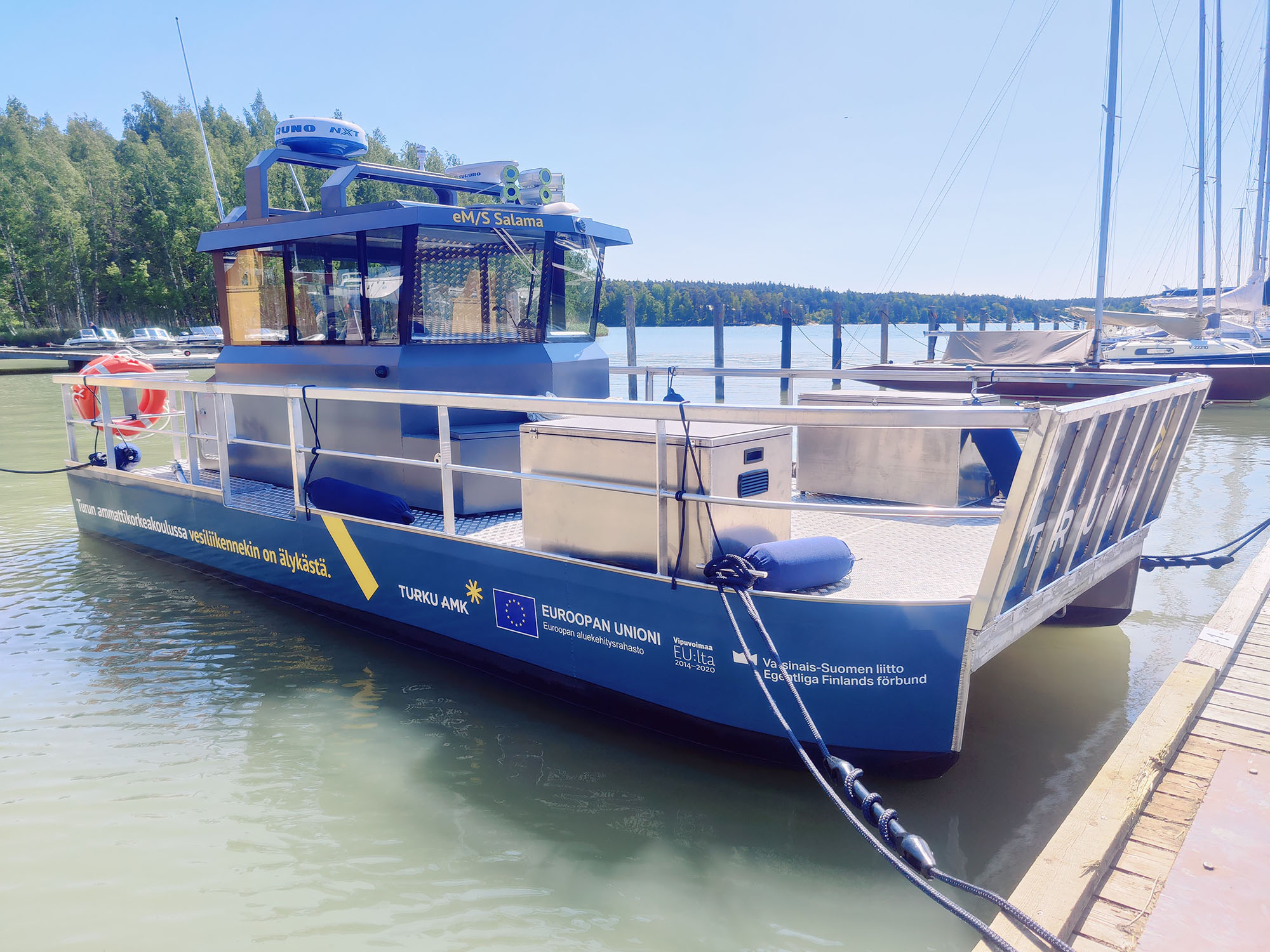
Joint research infrastructure funding for Turku higher education institutions from the Research Council of Finland
The NEMESIS research infrastructure collects data related to the state of the environment and maritime safety in the archipelago. NEMESIS, a collaboration between three universities, enables long-term monitoring…
-
CaseNews
Turku UAS collaborates with EOS Oy, a company specialising in 3D printing
Turku University of Applied Sciences (Turku UAS) and Electro Optical Systems Finland Oy (EOS Oy) are strengthening their cooperation by signing a partnership agreement. In addition, EOS has…
-
Press Release
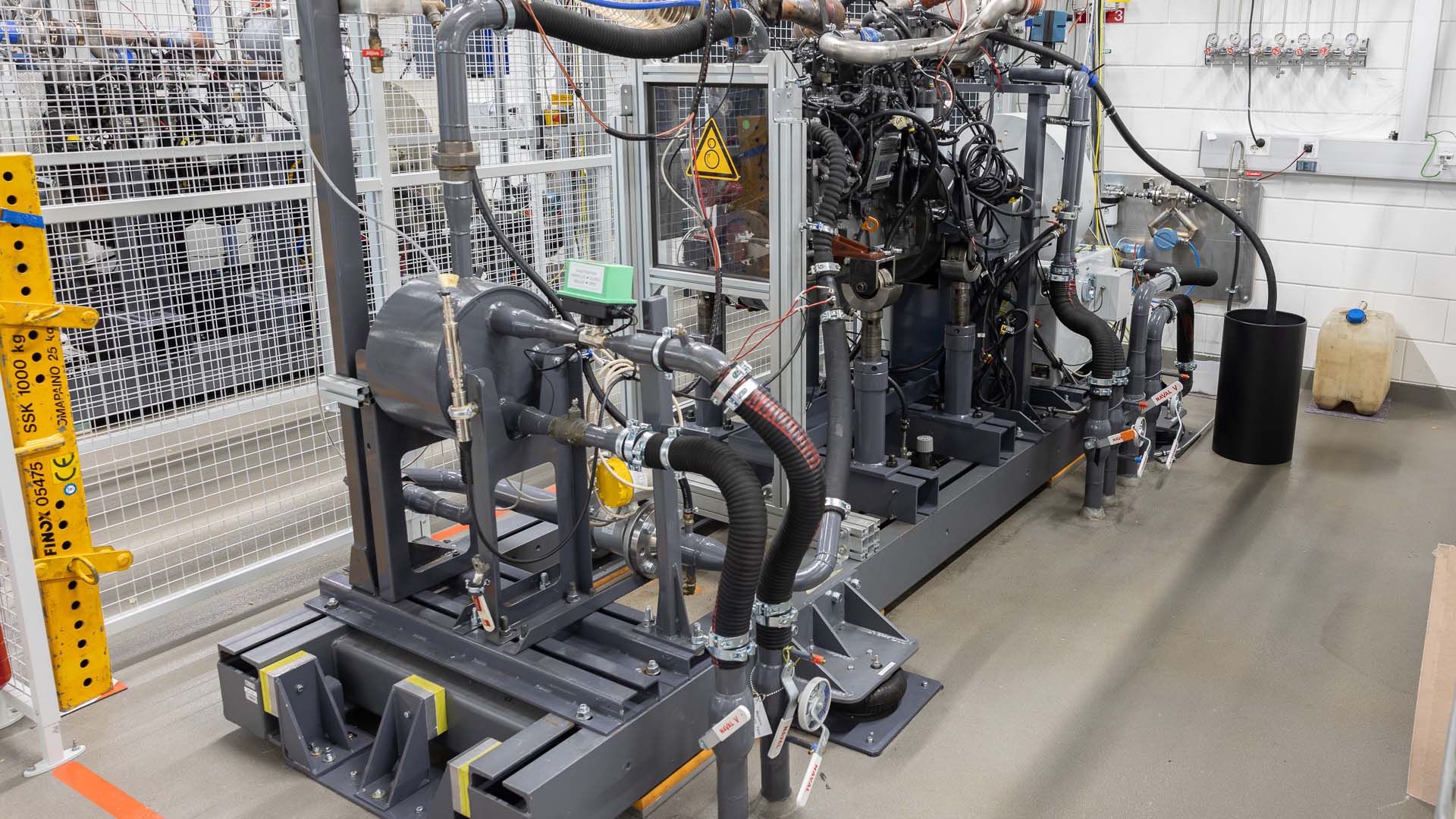
Hydrogen for internal combustion engines
The use of hydrogen as a fuel in internal combustion engines offers significant advantages over the use of hydrogen in fuel cells. A new research project at Turku…