
The use of artificial intelligence in rehabilitation
Duration of the project
Source of funding
KELA
Total funding
73 579 €
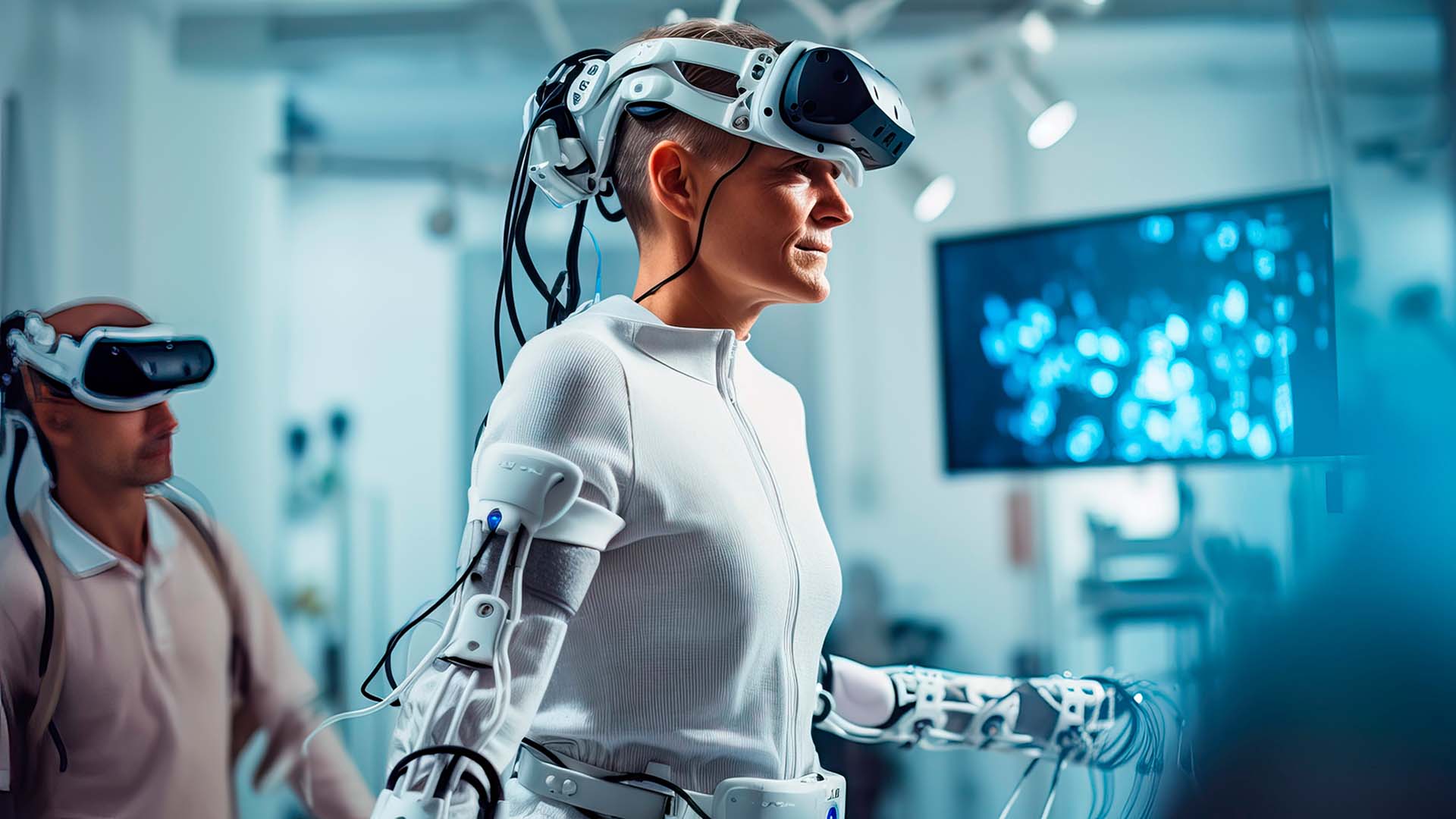
Increasing the use of artificial intelligence in the rehabilitation sector is a necessary step towards improving impact and increasing effectiveness. Producing appropriate solutions requires an understanding of the current state of artificial intelligence use and development needs, opportunities, and challenges in the rehabilitation sector. The project will produce a comprehensive report on the use of artificial intelligence in rehabilitation in Finland and Northern Europe, as well as on the factors that regulate the use of artificial intelligence in the rehabilitation sector and require ethical consideration
The Use of AI in Rehabilitation project produces a systematically compiled overview of the current state and emerging trends in the use of artificial intelligence in rehabilitation in Finland, the Nordic countries, and Northern Europe. The overview is based on an integrative literature review and includes an assessment of the opportunities, challenges, and risks related to the use of AI in rehabilitation.
The overview is complemented with a future-oriented perspective by highlighting examples of ongoing AI development projects. This ensures that the report provides an up-to-date picture of the development goals, directions, and practical tasks related to AI solutions in the rehabilitation sector over the coming years. In addition, the experiences and lessons learned from developing AI solutions are brought forward through interviews with project managers from selected development initiatives.
The report provides an up-to-date picture of the development goals, directions, and practical tasks related to AI solutions in the rehabilitation sector over the coming years
Finally, the report includes an expert-based review and synthesis of the ethical and legal dimensions associated with the use of AI, as well as the conflicting perspectives and tensions that emerge in the context of rehabilitation.

Contact us

Meet the research team
-
Research teams
FAIA – Functioning and Activity from Infancy to Adolescence
-
Research teams
INSIGHT – Intelligent Sensing and Computing Technologies
See all our projects
We carry out nearly 200 RDI projects annually together with working life and our international partner networks.