
Turku University of Applied Sciences has developed a mobile app that helps immigrants find information on, for example, housing, studies, benefits or early childhood education. The app, which serves in dozens of languages, is based on artificial intelligence and uses keywords to search for information from reliable and up-to-date sources.
Published:
Edited:
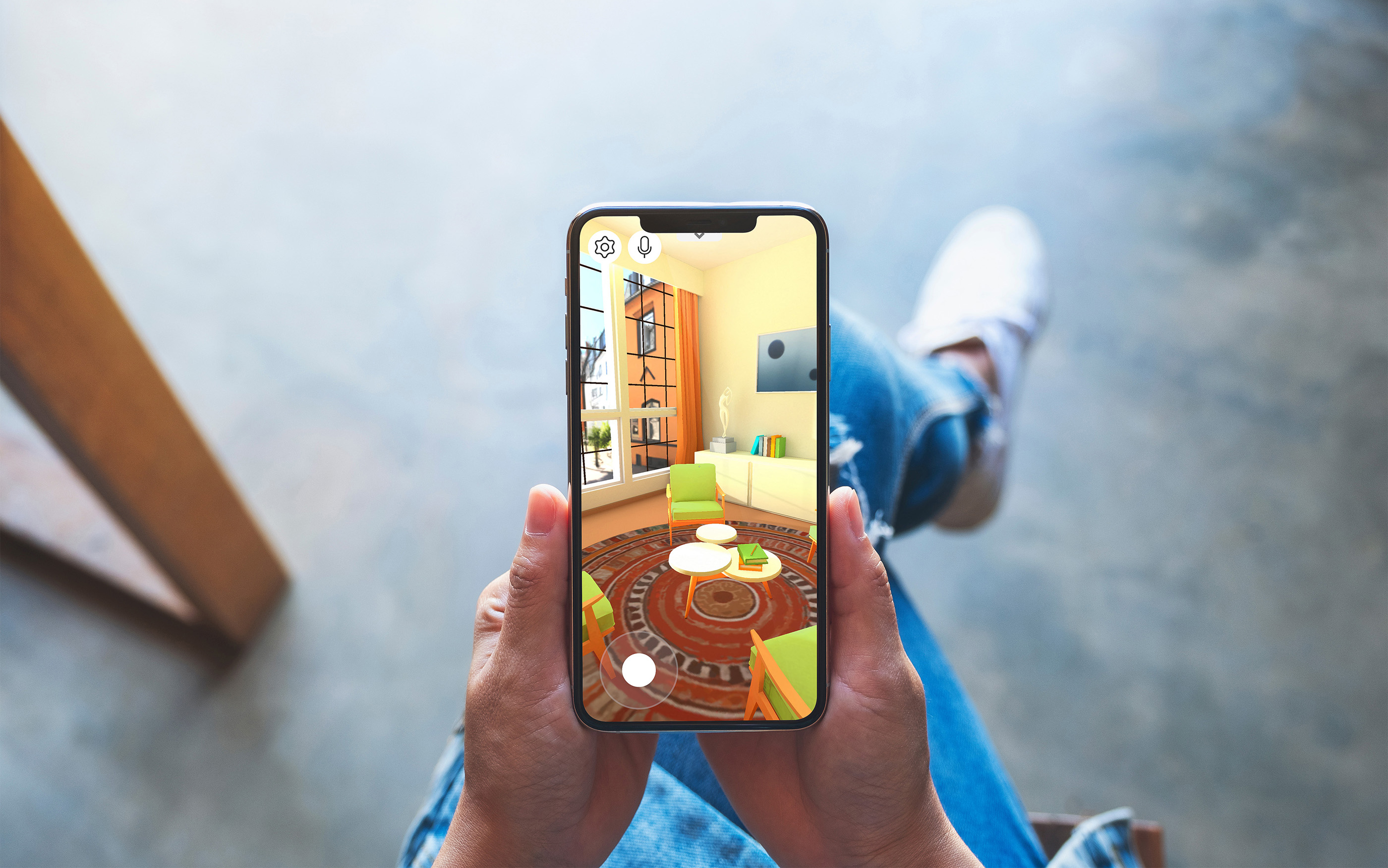
The project work of Turku University of Applied Sciences promotes integration by tailoring services for immigrants. The VINCE project (Virtual integration home – promoting inclusion and empowerment digitally), which ends in March, has developed digital integration services. The project has created interactive and active integration services in a virtual environment. In practice, this means a mobile application that can be downloaded to a mobile phone and provides immigrants with necessary and reliable information.
The technical aspects of the application have been implemented by the FIT Turku Centre of Expertise at Turku UAS. The content has been designed by the Social Inclusion and Active Citizenship research group of Turku UAS in cooperation with the project partners.
− The aim was to create an app that would allow immigrants to easily access reliable information. The starting point was to gather information on everything that an immigrant needs to support a smooth everyday life, says Project Manager Riina Riihimäki.
The information may relate to housing, studies, benefits or early childhood education, for example. The application is AI-based and uses keywords to search for information from reliable and up-to-date sources. The app can use AI to serve in dozens of languages, giving as many people as possible access to information in their own language.
− The app will not replace encounters with people. It will only be an additional service to the face-to-face service. The aim is to make it easier to find information instead of always having to queue up somewhere to ask for it, Riihimäki says.
Virtual spaces have been built into the app, allowing for the provision of different guidance services. A virtual room can be used for a one-to-one meeting with a social worker, for example, or for a larger information session to get advice on, say, starting a business.
Multidisciplinary cooperation
To develop the app, the VINCE project has collected feedback from both migrants and those working with them. According to Riihimäki, particular attention has been paid to data protection and security issues in the application. No data on customers is collected anywhere.
− The virtual spaces have been inspired by the Nordic environment. Virtual spaces can be used as learning environments for language learning and cultural contexts, for example, but this still needs further development, Riihimäki describes.
The app also includes auditorium-style spaces where you can download materials, as well as forest and sauna environments.
The VINCE project is funded by the Central Baltic Programme and has a total budget of over two million euros. The project is coordinated by Turku University of Applied Sciences and involves the City of Turku, Sateenkaari Koto ry and the Swedish operators Region Östergötland and FMC (Flyttningsmedicin Center).
The VINCE application for digital integration services will be launched on 22.1.2026 at the final seminar of the project. Initially, the app will be available for test use by customers of partner organisations via the Google Play store.
− The VINCE project has attracted a lot of interest from integration actors around Finland. We have been told that we are pioneers. But the most important message we all share is that we want to welcome immigrants to Finland and help them integrate, says Riihimäki.

Visit
Read next
-
Press Release

Study: Values Influence the Decision to Buy Refurbished Electronics
Consumers’ perceptions of refurbished electronic products are often based more on emotions than on knowledge of their actual characteristics. Therefore, the perceptions associated with used and subsequently refurbished…
-
Press Release

Interview Study by Turku University of Applied Sciences: Technology Cannot Replace Salespeople, Judgment Is the Key to Closing Sales
New technologies have rapidly transformed business-to-business sales. According to a recent study, the most critical factors are the appropriate use of tools and the salesperson’s ability to choose…
-
News

Our alumni’s employment and satisfaction with their degree are examined in a Career Monitoring Survey
How have graduates of Turku University of Applied Sciences fared in the job market, and are they satisfied with their degrees? These and other questions are addressed annually…