
Consumers’ perceptions of refurbished electronic products are often based more on emotions than on knowledge of their actual characteristics. Therefore, the perceptions associated with used and subsequently refurbished products should be tailored to suit different consumer groups.
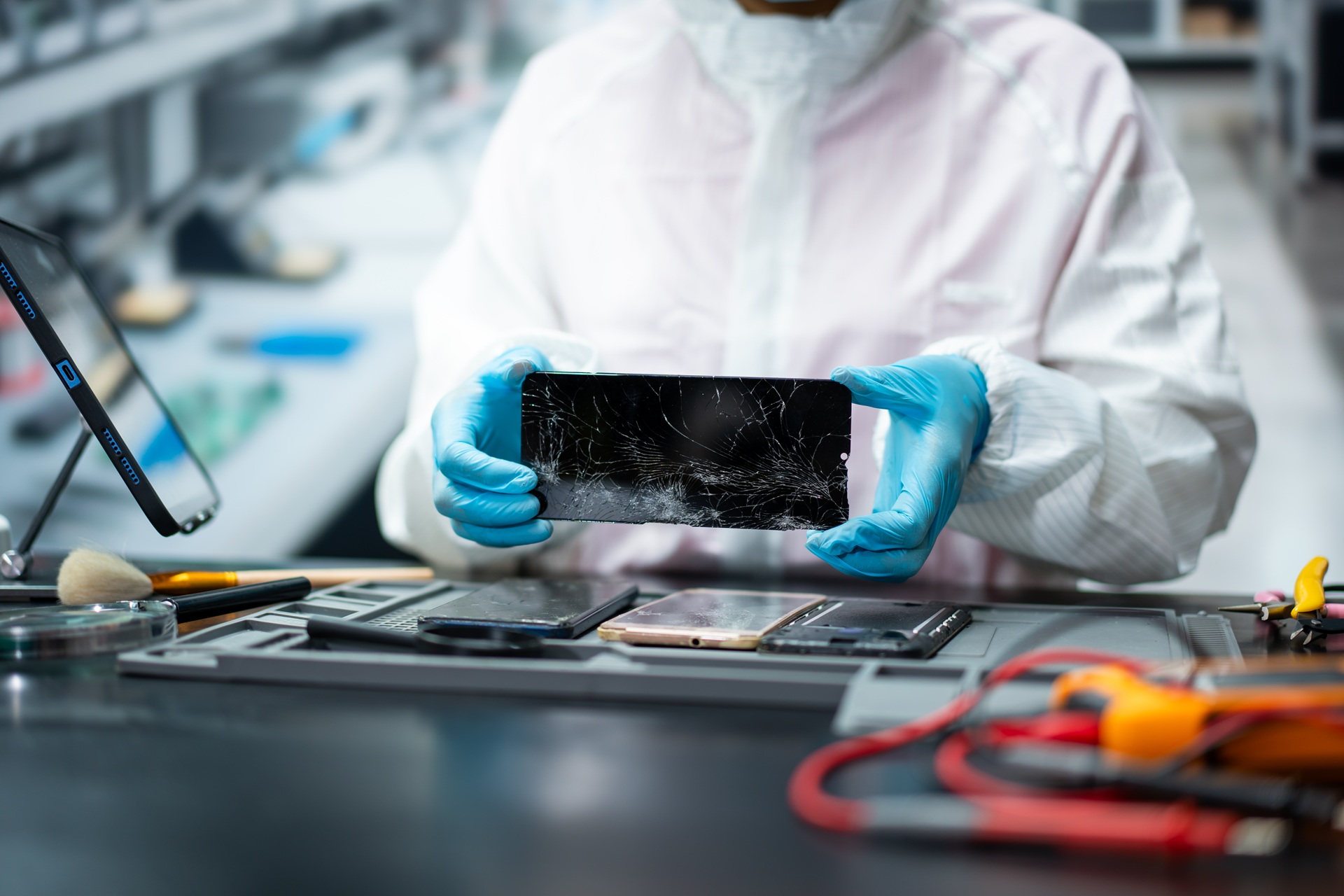
According to a recent study, there is a strong link between values and perceptions related to refurbished devices.
Published:
Edited:
A study conducted as part of the SuFiRe project, coordinated by Turku University of Applied Sciences, examined business students’ attitudes toward refurbished electronic products. A total of 270 students from Finland, Sweden, and Hungary participated in the study.
Refurbished electronics — that is, used products that have been collected and restored — are becoming more common as part of the circular economy. They can save up to 80 percent of the materials used compared to manufacturing brand-new products. Yet many consumers remain hesitant.
Values matter more than nationality
According to an international study, values are a key factor in explaining attitudes toward refurbished electronic products, which, in turn, offers a promising foundation for promoting sustainable consumption in Europe.
People for whom caring for the environment and the well-being of others are important values were particularly positive about remanufactured electronics. In contrast, values that emphasize personal success were associated with more critical views regarding the environmental benefits and quality of the products.
The study also found differences between countries. For example, Finnish students believed more strongly than Hungarian students in the environmental benefits of used and refurbished products.
The sustainability message reaches only a portion of consumers
According to a study by the SuFiRe project, it is not advisable to rely solely on environmental benefits when marketing these products. Communication based on sustainability already resonates with consumers for whom environmental values are important.
– In order for these products to appeal to a wider audience, they should also be marketed based on other values, such as safety or practicality, says researcher Johnny Långstedt of Turku University of Applied Sciences.
Refurbished electronic products offer a concrete way to reduce the environmental impact of consumption. However, their wider adoption requires addressing consumer concerns and developing a more diverse image of refurbished products.
– It’s a good idea to tailor communication and branding to different target groups; dispelling prejudices plays a key role. In particular, values that emphasize the environment and the common good foster a positive attitude, suggests Långstedt.
Toward Sustainable Remanufacturing
Towards a Sustainable Finnish Re-Manufacturing Industry (SuFiRe) is a joint project between Turku University of Applied Sciences and Åbo Akademi University that promotes the green transition of the Finnish manufacturing industry and the circular economy. The project is funded by Business Finland.
Johnny Långstedt is a member of the expert group that wrote an article on this topic for Turku University of Applied Sciences’ Talk Journal online magazine. Read the article: “What motivates the consumption of remanufactured electronics?”
More Information

Learn more
Read next
-
Press Release

Interview Study by Turku University of Applied Sciences: Technology Cannot Replace Salespeople, Judgment Is the Key to Closing Sales
New technologies have rapidly transformed business-to-business sales. According to a recent study, the most critical factors are the appropriate use of tools and the salesperson’s ability to choose…
-
Press Release

Making Better Use of the Skills of Highly Educated Immigrants – A New Model Combines Education and the Workplace
The educational model developed by Turku University of Applied Sciences and the Loimaa Evangelical Folk High School offers a solution to the growing labor shortage. When students gain…
-
Press Release

A new research group at Turku University of Applied Sciences is strengthening the vitality and impact of sports
The research group brings together sports, business, and applied research. The goal is to develop practical solutions for the day-to-day operations and decision-making of sports clubs, sports federations,…