
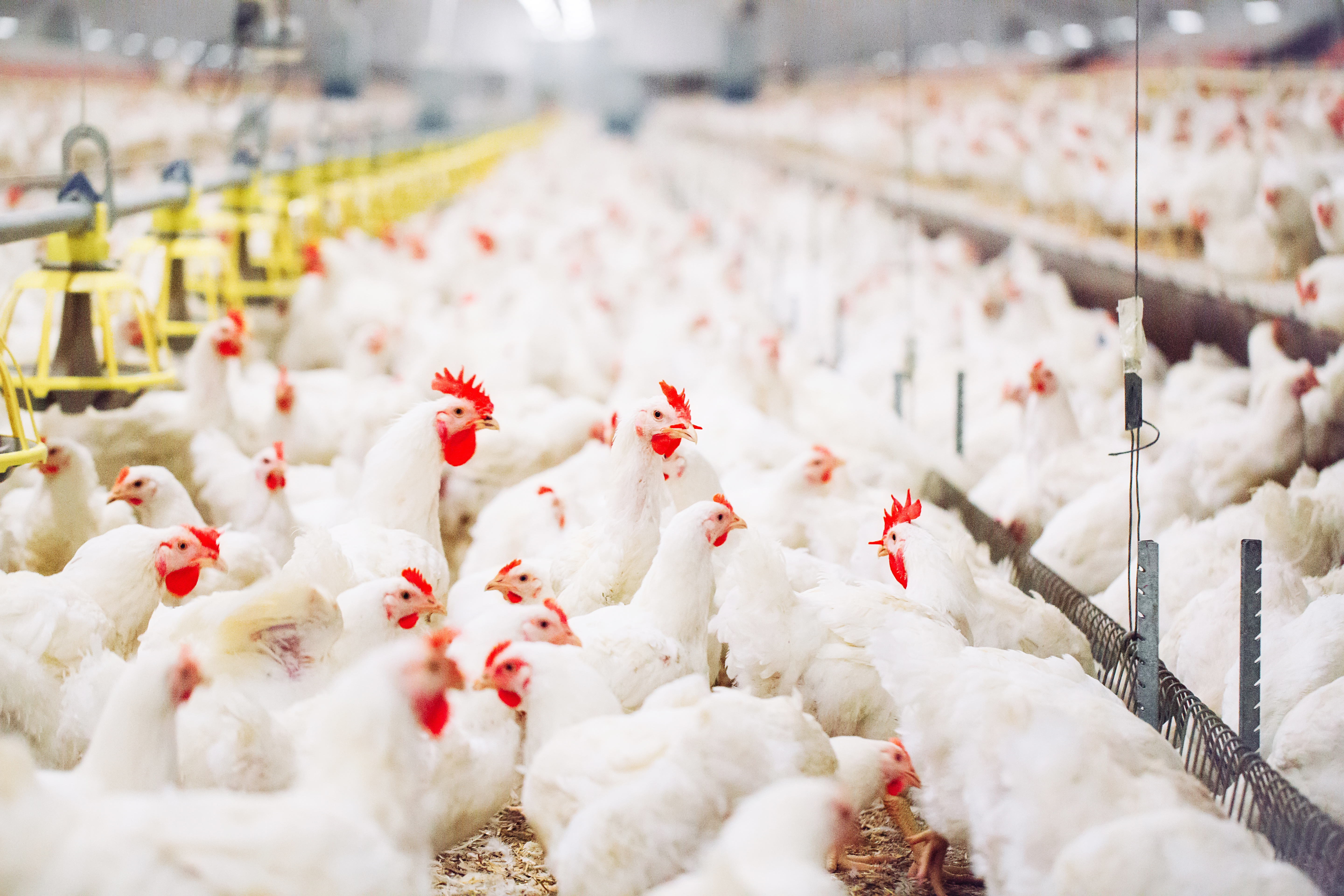
The Sensor4Food project, coordinated by Turku University of Applied Sciences, is developing photonics-based sensor technology for quality control in poultry production. The solutions are being tested in Spain, Italy, and Norway in six use cases related to the poultry sector, covering key stages of the production chain from feed to the final product and the utilization of by-products.
Published:
Edited:
Image: Adobe Stock
Poultry production is one of the cornerstones of the European food system. Poultry is the most consumed meat in the EU, with annual production exceeding 14.4 million tons, making it a key part of the diet of some 300 million Europeans. Demand is projected to continue growing by 0.5 percent annually through 2035, raising consumption from 24.2 kilograms to 25.8 kilograms per capita. At the same time, the sector represents a significant economic entity: the poultry value chain provides an estimated 3.7 million direct and indirect jobs in Europe and supports both rural vitality and export markets.
The quality and safety of poultry production still rely heavily on piecemeal and disjointed practices. On farms, efforts are made to proactively ensure animal welfare through measures such as feed quality, rearing conditions, and the reduction of stress factors.
In later stages of the production chain, monitoring often relies on manual inspections, visual assessments, and time-consuming laboratory measurements. With large production volumes, this means that problems are often detected too late or only partially. At the same time, traceability regarding the origin and welfare of the animals, as well as the quality and final product, is easily compromised when birds arrive at production facilities from multiple different farms.
Photonics-based sensors open up new possibilities for data-driven management in the food supply chain
The photonics-based sensors being developed in the Sensor4Food project utilize light and different wavelengths of light to measure properties that are invisible to the human eye. For example, they can be used to identify harmful mycotoxins in feed, detect pathogens and drug residues in production, assess meat structure and quality deviations, and monitor the quality of protein products made from by-products. When these measurements are combined with other sensors and data platforms utilizing artificial intelligence, real-time, accurate, and actionable information can be generated across the entire value chain to support decision-making.
– Real-time data available across the entire value chain enables faster, more accurate, and more resource-efficient decision-making at every stage of production, says David Oliva, head of the Cognitive Technologies at Turku University of Applied Sciences and the project’s principal investigator.
The Sensor4Food project, funded by the European Union’s Horizon Europe program, will launch in September 2026 with a total budget of 7 million euros. Coordinated by Turku University of Applied Sciences, the project brings together 21 European organizations: seven research organizations, nine SMEs, four large companies, and one non-governmental organization, AVEC, which represents 95 percent of the EU’s poultry meat production. The technology being developed in the project is based almost entirely on European expertise and components.
Although the solutions developed in this project are being tested and validated in the poultry sector, their potential extends far beyond that. The technologies are designed so that they can also be applied in other agricultural and food sectors, such as pork production, dairy farming, and aquaculture.
– The poultry sector serves as an important and demanding test bed for the project, but our goal is to develop solutions that can later be widely applied throughout the entire food chain to improve product traceability and provide more accurate and real-time situational data for the various stages of production, Oliva notes.
More information
Check it out
Read next
-
Press Release
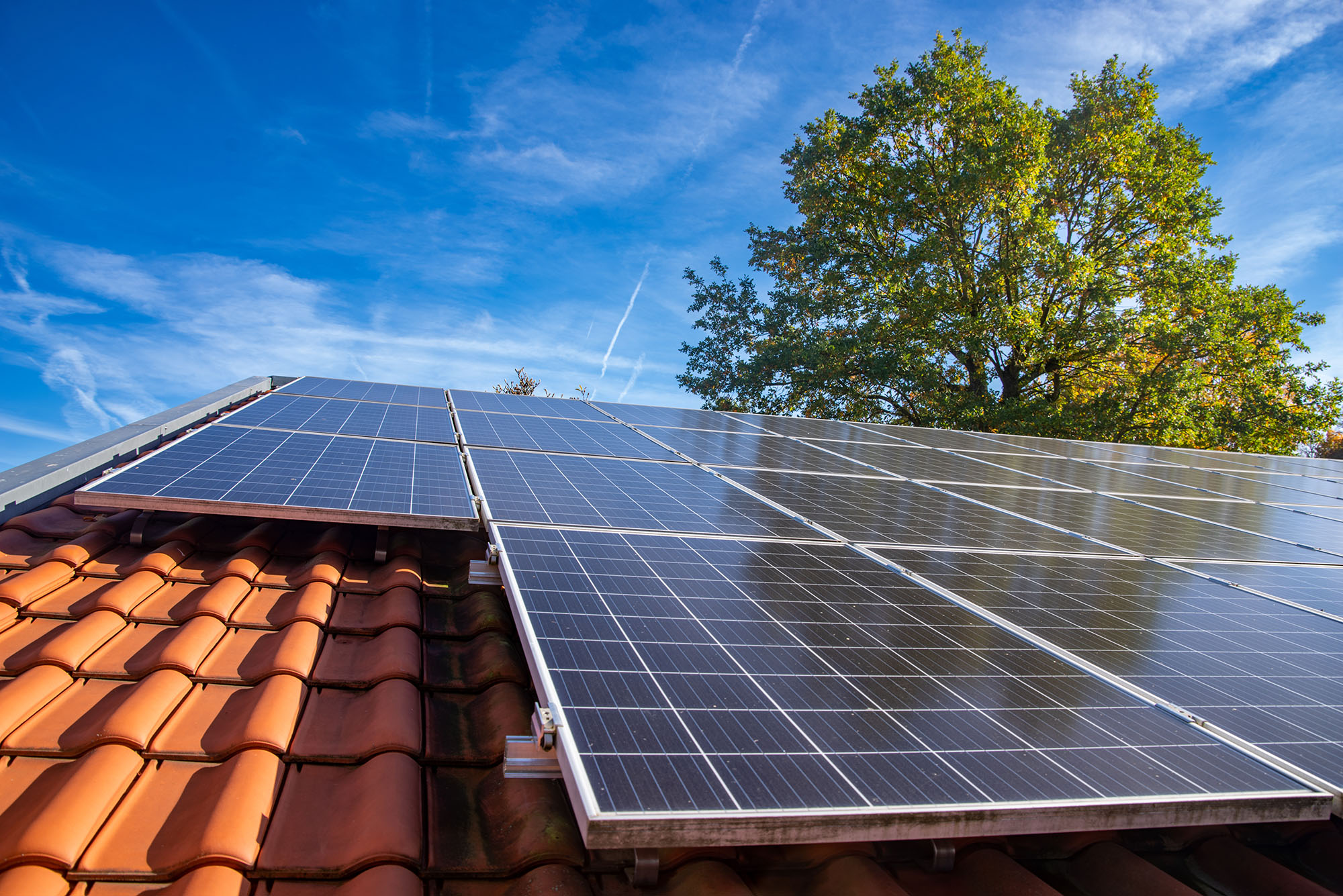
A solar power calculator developed by Turku University of Applied Sciences helps users estimate the cost-effectiveness of solar panels for generating electricity at home
A solar power calculator developed by researchers helps buyers of solar panels assess the profitability of their investment. Generating your own solar power provides security, for example, during…
-
Press Release

Turku UAS builds a test cabinet for lithium-ion batteries
A project at Turku University of Applied Sciences is developing a testing environment suitable for battery testing, which will provide additional information on battery behavior under extreme conditions,…
-
Press Release

Joint research infrastructure funding for Turku higher education institutions from the Research Council of Finland
The NEMESIS research infrastructure collects data related to the state of the environment and maritime safety in the archipelago. NEMESIS, a collaboration between three universities, enables long-term monitoring…