
A wide range of data helps coaches to identify changes in recovery, load and development. When measured in a natural environment, the results better reflect actual exercise performance.
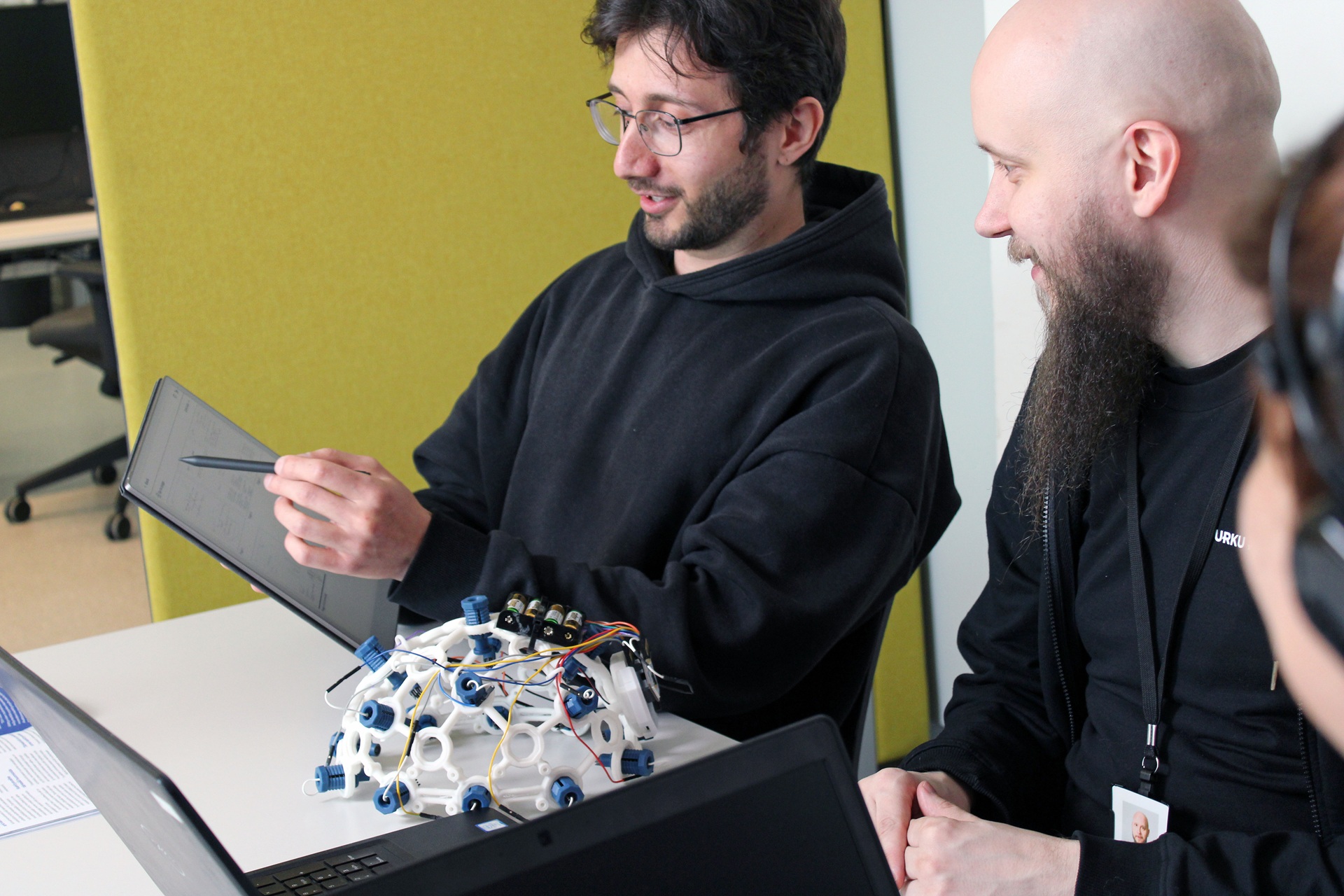
Technological advances are making it easier to monitor performance without interfering with the operation of the targets.
Published:
Edited:
Text and photos: Aleksi Rajamäki
According to a report by Turku University of Applied Sciences and the Finnish Institute of High Performance Sport KIHU, new technology enables the effortless collection of performance and well-being data, but it also brings challenges.
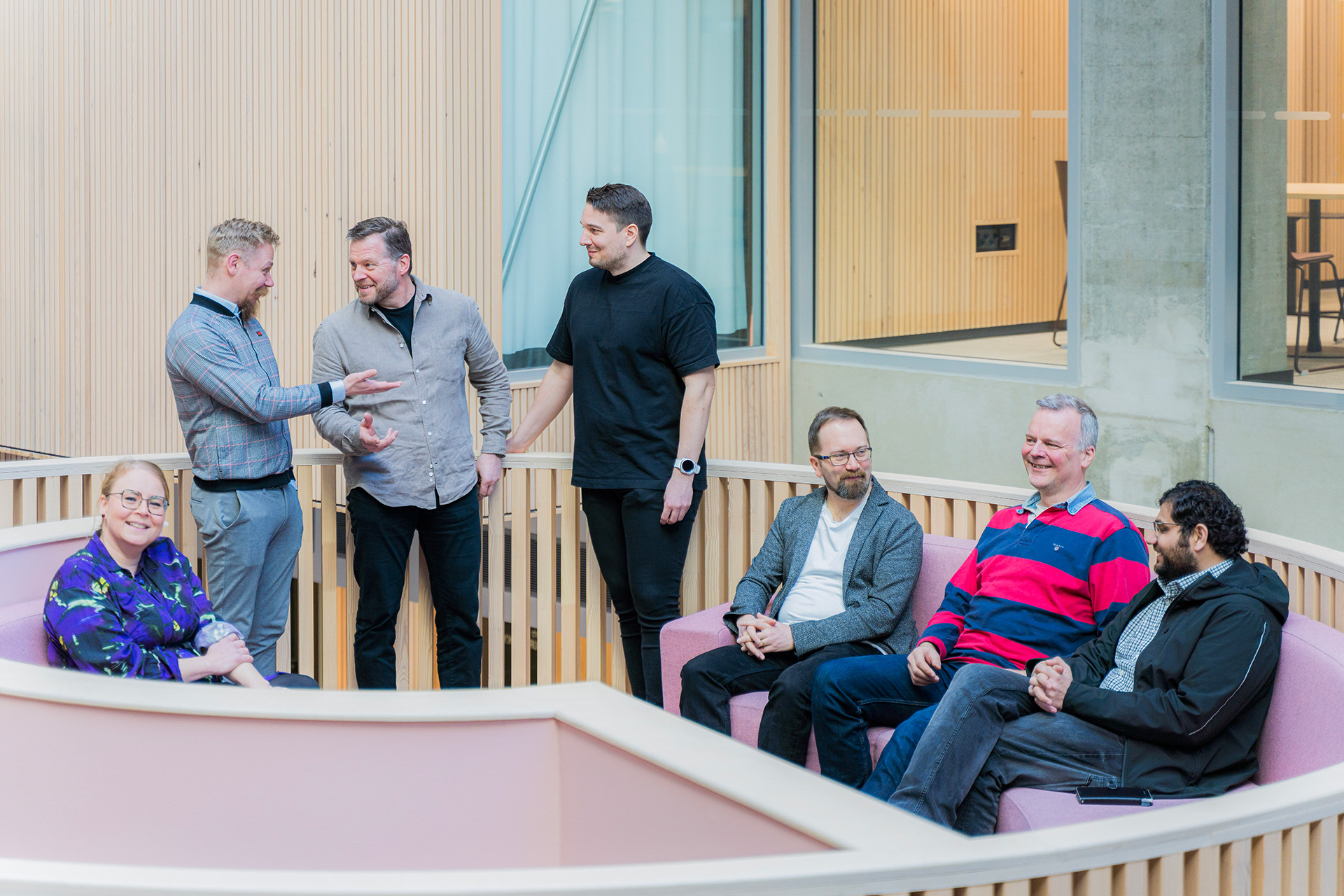
Experts Anssi Saari, Ashley Pryke, Eero Savolainen, Mikko Pohjola, Ismo Hämäläinen and Johanna Ihalainen prepared the publication in a project coordinated by the Turku University of Applied Sciences in Invisible monitoring in development of well-being and performance.
Invisible monitoring is the process of generating, analysing and using information in a way that minimises disruption. Data can be collected in real time, for example in the background of a sports performance.
– Such monitoring can change the way we measure the well-being and performance of athletes. It allows for continuous data collection without the need for separate arrangements. When measurement does not require extra effort, more and more consistent data can be obtained, the experts describe.
Choosing the right tracking solutions challenges coaches
The authors of the report divide unobtrusive tracking into different measures of position, force output, movement performance and physiological characteristics.
In practice, GPS devices already track players’ movements on the pitch, shoe soles collect information on footfall and smart rings analyse recovery. Sensors can also be placed on beds, for example.
– Many of today’s devices are small, lightweight and can be used directly during training or competitions. It is also possible to install sensors in the structures of sports facilities. There are more and more options.
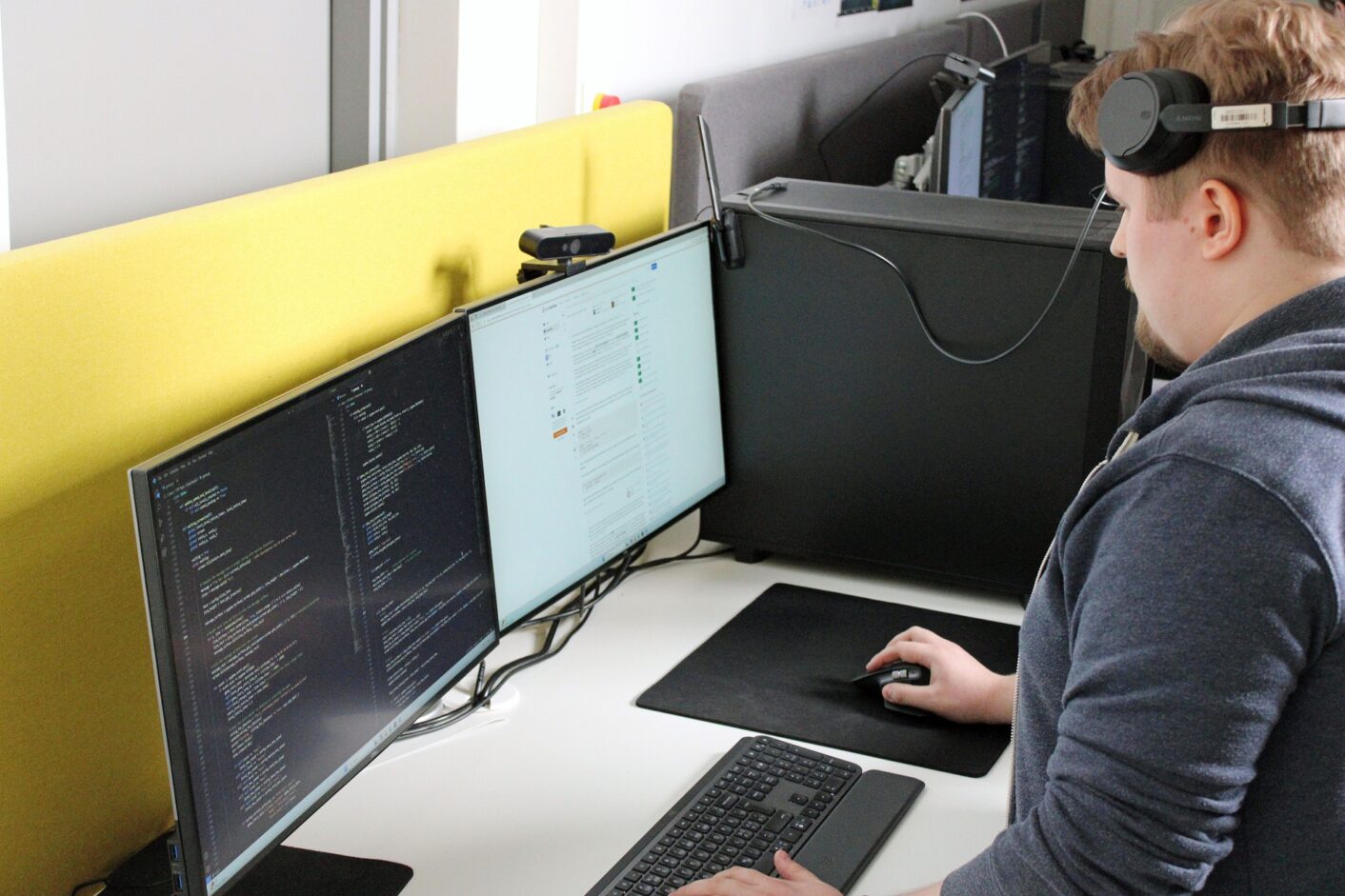
On the other hand, choosing the right equipment and solutions for a given situation is a challenge for coaches and other sports and physical education professionals. The skills of the staff and the time available are among the factors involved.
In addition, the effort to reduce the inconvenience and effort for the monitored subjects may increase the burden on other actors in other stages of the data production and exploitation chain, such as data processing or analysis.
“Not everything should be measured”
While the potential of monitoring technology is becoming more widespread, not all measurement is automatically useful, the report points out. At the same time, it is important to assess the costs and the relevance of the data.
– The key is to first define the questions you want answered, rather than to search for unnecessary data. Not all technical tools are always reliable either, experts stress.
According to the report, unobtrusive monitoring underpins a broader change: sport is increasingly viewed as a whole, rather than in terms of individual indicators. In addition, the successful implementation of equipment requires clear targets.
– When chosen appropriately, unobtrusive monitoring can add significant value. It also improves the commitment of the athlete.

Towards more holistic sports data
The Invisible monitoring in development of well-being and performance project draws on data collected from a variety of sources. The results can be used to improve health services, optimise sports performance and improve well-being at work, among other things.
In addition to Turku University of Applied Sciences and Finnish Institute of High Performance Sport KIHU, the project involves Eerikkilä Sport & Outdoor Resort, Martti Sports Oy, Fidera Oy and Firstbeat Technologies Oy. The project is funded by Business Finland.
The project report has been published in Turku University of Applied Sciences Talk Reports series. It is part of the publications of the Knowledge Management for Human Performance (KM4HP) research group.
Ask and read more

Read next
-
News
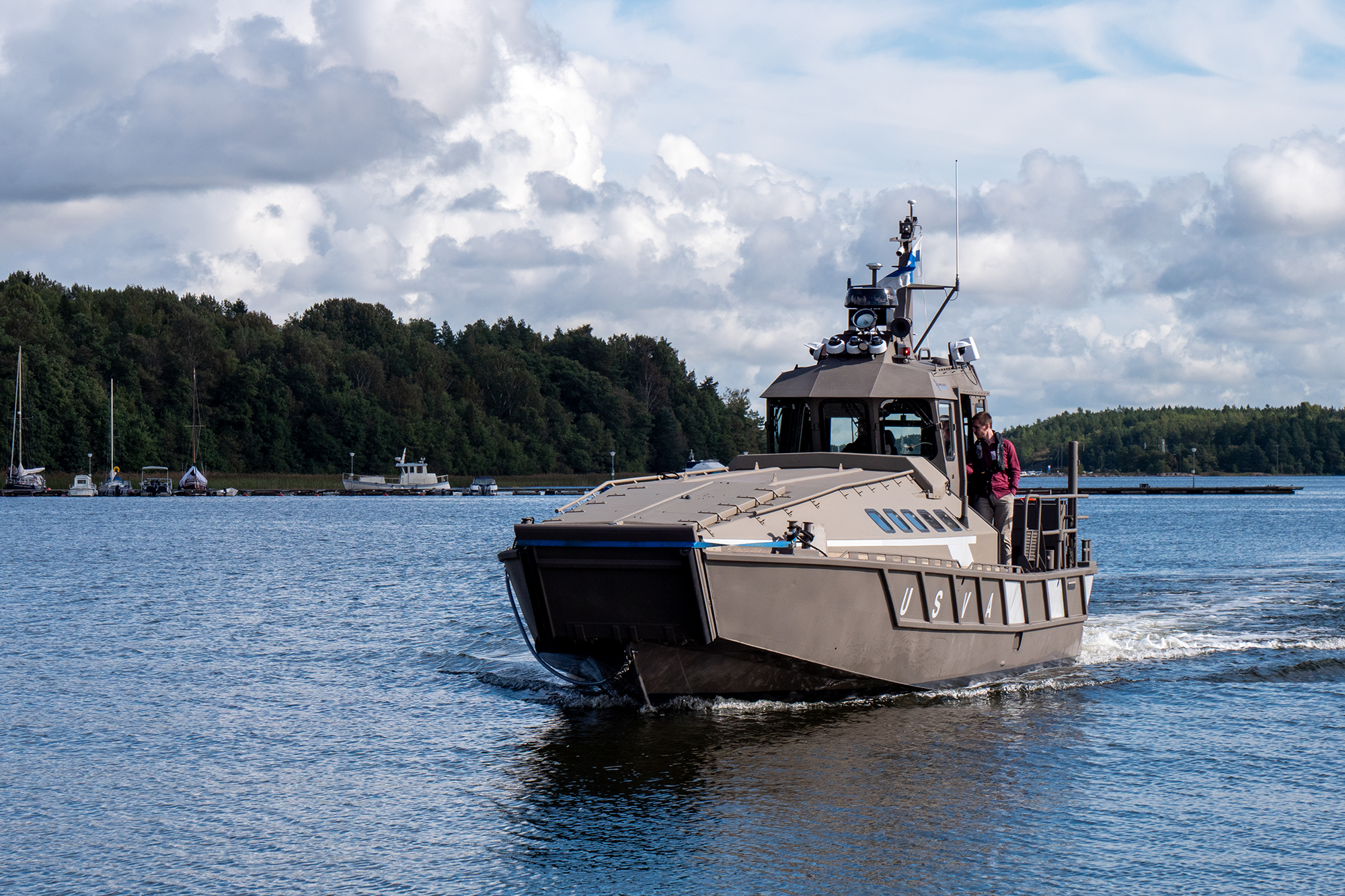
The USVA project built a remotely operated pilot vessel for monitoring marine areas
The pilot vessel developed as part of the USVA project helps create solutions to protect critical infrastructure in the Baltic Sea and strengthen maritime security. The technology aims…
-
NewsPhenomenon
It takes a village to train AI, but the data stays at home
The security, data protection, and regulation of artificial intelligence solutions have become critical issues worldwide. At the same time, organizations are seeking more effective ways to leverage their…
-
NewsStudent
Turku UAS student’s thesis is nominee for AI Thesis of the Year
AI Finland announced the nominees for the 2025 AI Thesis finalists. Joni Obradovic’s thesis made it to the top three. Obradovic studied Information and Communications Technology Engineering in…