Tour Rural Baltic
Project Duration
Source of Funding
Interreg Baltic Sea Region
Total Funding
€500,000
The Tour Rural Baltic project brings together rural tourism stakeholders from across the Baltic Sea Region to develop cycling and hiking routes and low-carbon mobility solutions. The project combines the expertise of project partners, tourism businesses, local communities, organisations and public authorities to make rural tourism more accessible, attractive and sustainable.
Tour Rural Baltic – Connecting rural tourism gems into a string of pearls
Rural areas are full of tourism gems: village cafés, forest trails, small harbours, farms, historic sites and interesting routes.
However, these experiences are often scattered across different parts of a region rather than forming an easily discoverable and accessible whole. Information about local attractions, experiences and services can also be fragmented. Tour Rural Baltic aims to change this by helping rural tourism destinations across the Baltic Sea Region become more accessible, attractive and sustainable. Our goal is to connect places, people and experiences through active and low-carbon mobility.
We focus on local and cross-border routes in four regions across four countries:
- Lithuania: The Lithuanian coastal region (EuroVelo 10 cycling route, E9 hiking route)Rural tourism is full of hidden gems: village cafes, forest trails, small harbors, farms, historic sites, and interesting routes.
- Finland: The Pori and Bothnian Sea region (EuroVelo 10 cycling route, Bothnian Sea Experience Route)
- Sweden: The Kramfors region (local routes and connections to the EuroVelo 10 route)
- Latvia: The Klaipėda region (EuroVelo 10 cycling route, E9 hiking route)
More sustainable routes and connections for rural tourism
Tourism is growing, Europe’s population is ageing, and travellers’ needs and expectations are becoming increasingly diverse. At the same time, climate change is putting growing pressure on natural environments and cultural heritage sites. Rural tourism destinations need new ways to welcome visitors, reduce reliance on private cars and make sustainable tourism an attractive alternative.
In Tour Rural Baltic, we focus on low-carbon routes and connections that can link rural tourism gems together. We map and assess existing cycling and walking routes, identify opportunities for new connections and collect examples of successful solutions from other regions. We involve local communities, tourism businesses, organisations and public authorities in identifying needs, testing ideas and developing solutions.
A successful rural tourism experience encompasses the entire journey: how visitors reach their destination, how they travel between attractions, what services are available along the way and how easily they can find reliable information. That is why our project looks beyond individual routes. We also explore how to communicate the sustainability and accessibility of routes and destinations more effectively.
Collaboration to provide knowledge and tools for sustainable tourism development
The project’s findings and lessons will be compiled into the Green Rural Paths Toolkit. It will bring together the project’s key outputs:
- A collection of international good practices for developing low-carbon and accessible tourism
- Practical guidelines for communicating sustainable tourism and route information
- Policy recommendations and proposed measures
The Green Rural Paths Toolkit is designed as a practical resource, particularly for rural tourism destination developers and public authorities.
By bringing together knowledge, routes and rural tourism gems, we can create experiences that are better for visitors, local communities and the environment alike.
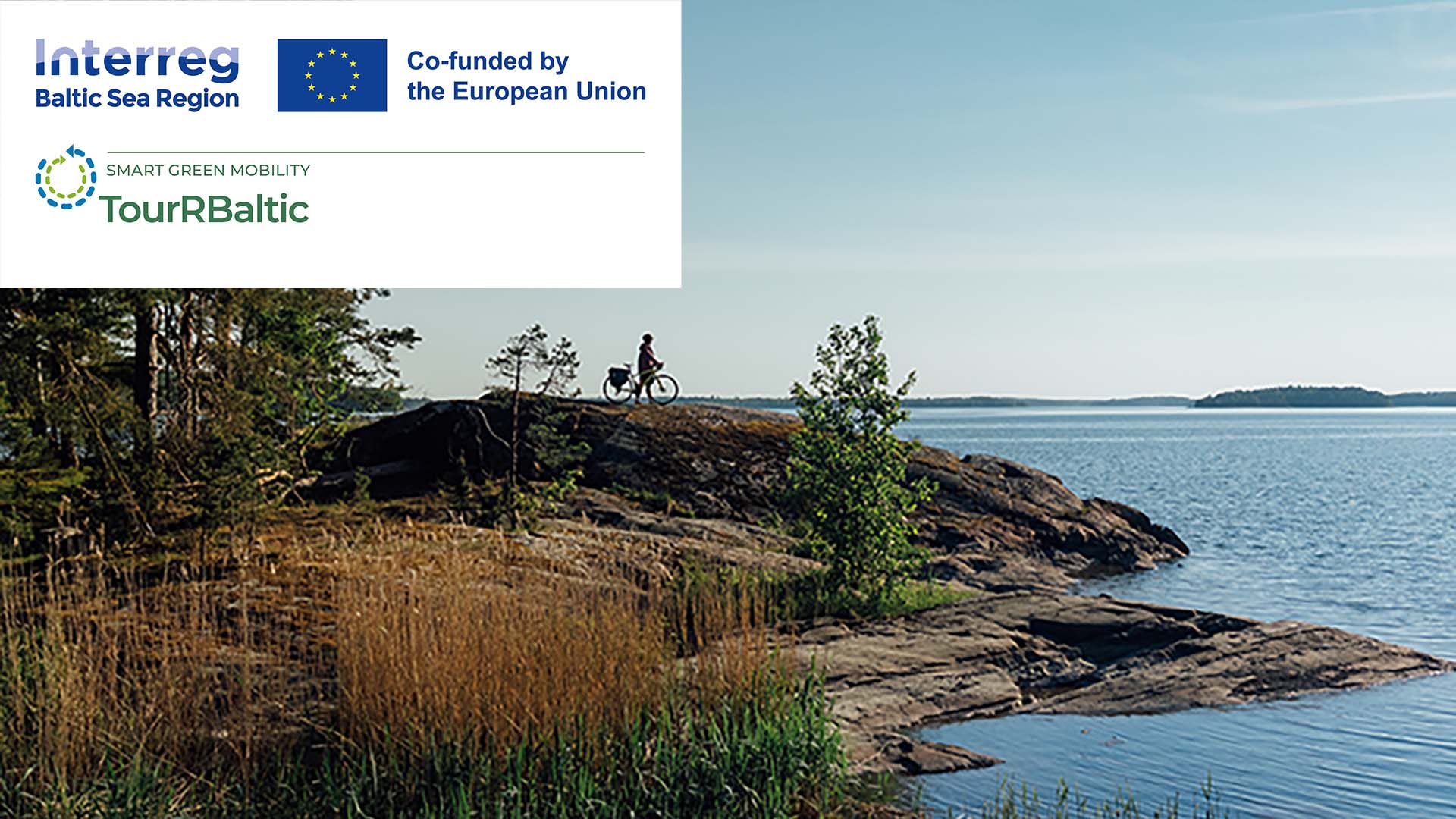
Photo: Mikko-Pekka Karlin
Contact Us

Partners
- Klaipėda Region Association
- Swedish Cycling Advocacy Organization
- Latvian Country Tourism Association
- Satakunta University of Applied Sciences
Learn more about the research group
-
Research Groups
New Energy
See all our projects
We carry out nearly 200 RDI projects annually together with working life and our international partner networks.