
Better decisions start with better understanding. Kari Kallinen, Chief Advisor at Turku UAS, studies how artificial intelligence can help us make better decisions – without handing our judgement over to machines.

Julkaistu:
Muokattu:
“As machines make more and more of our decisions, we have to make sure that people keep their own judgement – and that it is always clear who carries the responsibility,” Kari Kallinen says.
Talk about AI is often reduced to algorithms, data and applications. Kallinen sees it differently: for him, the most interesting part of AI development is the human being.
“My research career has taken me from music and media studies to human performance, human–technology interaction and AI-supported decision-making. Despite the different domains, the central question has remained the same: how people perceive, interpret and use information.”
Kallinen works as a Chief Advisor in the Knowledge Management for Human Performance (KM4HP) research group at Turku UAS. Before joining the university of applied sciences, he spent almost 12 years at the Finnish Defence Research Agency.
“What attracted me to Turku UAS was the opportunity to combine technology, data, business, human performance and user-centred research in the same projects.”
Today, he is particularly interested in how data, AI and foresight can be used to assess human performance.
“Artificial intelligence is only one part of the puzzle. The bigger challenge is how information from multiple sources can be transformed into shared situational awareness, better understanding and ultimately better decisions.”
Digital twins give a holistic picture
In defence, research can be used to support the leadership of military units. The same research setting could also provide new insights for sports and working life. “Many technologies developed for sports, wellbeing and occupational performance also have potential applications in safety, security and defence,” Kallinen tells.
Kallinen acknowledges that the topic can feel uncomfortable, but he encourages looking at the development through the benefits it can bring.
“The aim isn’t to replace people or human decision-making. The goal is to provide a better situational picture to support decisions.”
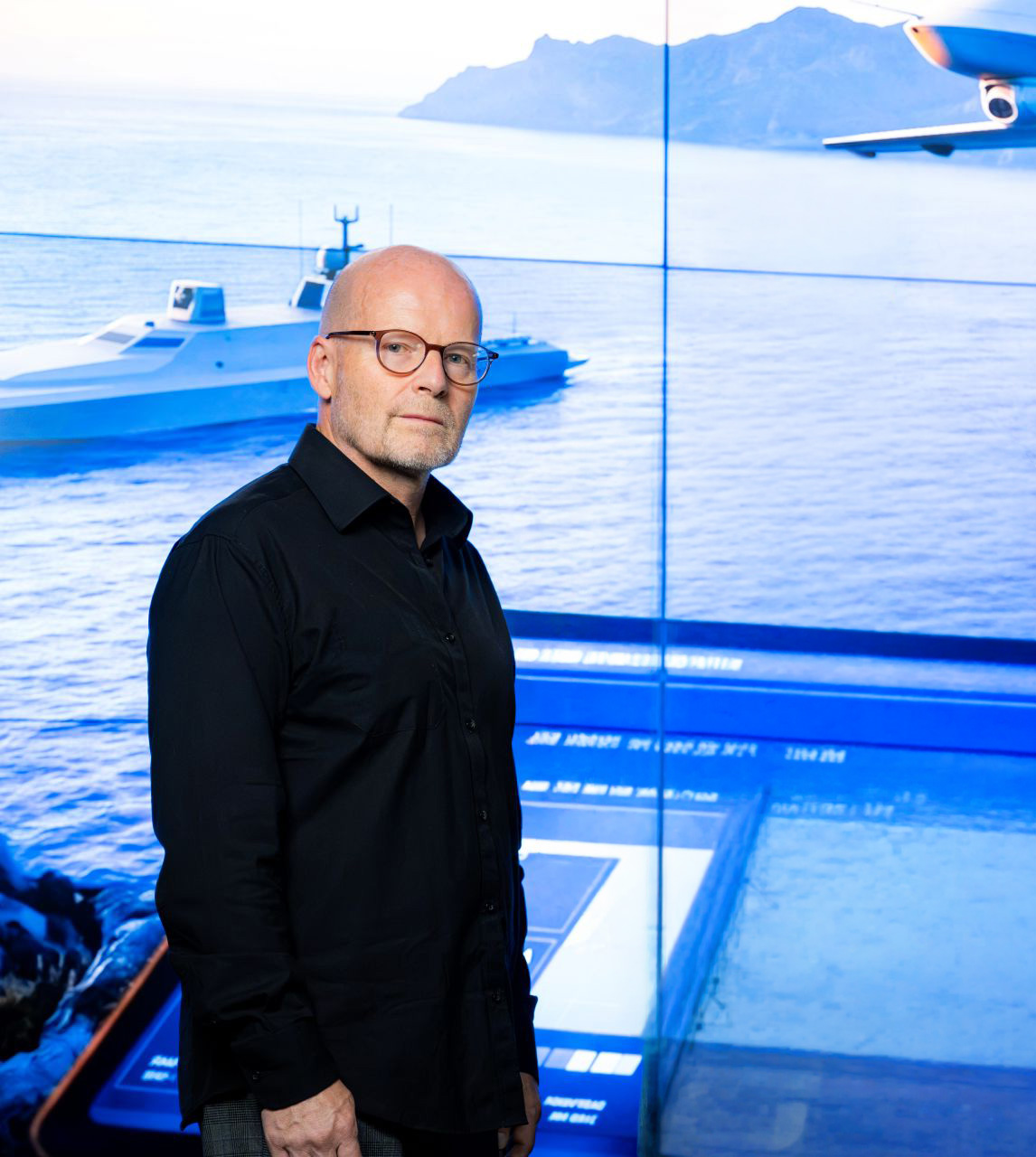
New methods
A better situational picture to support decisions
“We can build digital twins that let us look at human performance holistically. The model considers rest, workload, nutrition, previous performance and the demands of the upcoming task.”
A transparent chain of decisions
Technological development brings up concepts such as deskilling and cognitive offloading. Everyday examples include search engines and navigation apps, which have reduced our need for the age-old skill of finding our way.
With large language models, the change is now reaching expert work. Some skills will be needed less – but according to Kallinen, one skill rises above the rest: the ability to evaluate.
The change has been fast. In many sectors, decisions are increasingly made with the help of AI-generated information. The need for transparent decision-making therefore extends from defence to healthcare, recruitment and finance.
“In NATO cooperation, for example, solutions are being sought precisely for how the use of autonomous systems can be made transparent and responsible,” Kallinen explains.
According to Kallinen, systems must be able to open up their reasoning to people. The chain needs checkpoints that allow the user to see how the outcome was reached. Society quickly becomes vulnerable if people make decisions without understanding the systems behind them.
“Systems must not only be transparent but also explainable. Users need to understand why a recommendation was made and what information it was based on in order to evaluate and challenge AI-supported decisions when necessary.”
Technology doesn’t free people from decision-making
Assessing human performance can easily bring to mind Big Brother–style surveillance and control. Kallinen emphasises anticipation instead: it could help identify excessive workload in time and prevent errors and burnout.
Data protection plays a key role in research focused on human performance. Federated learning offers a way to process data securely, but technology alone is not enough.
“We need trust, transparency and jointly agreed rules,” Kallinen says.
In the future, we will need professionals who understand data, can assess the quality of information and can combine information from different sources to support decision-making.
“Our AI era is paradoxical. Technology doesn’t free people from decision-making or judgement. On the contrary, human judgement based on foresight becomes more valuable than ever,” Kallinen stresses.
Interested in working with us?
Technology discussions are often dominated by what a new solution can do. In the KM4HP research group, the focus goes beyond technology – to people.
How can data and AI be used to improve decision-making in a responsible way? KM4HP welcomes companies and organizations to develop solutions together.

Get in touch to discuss collaboration!
Read next
-
News
Energy and maritime industry transformation calls for new forms of collaboration
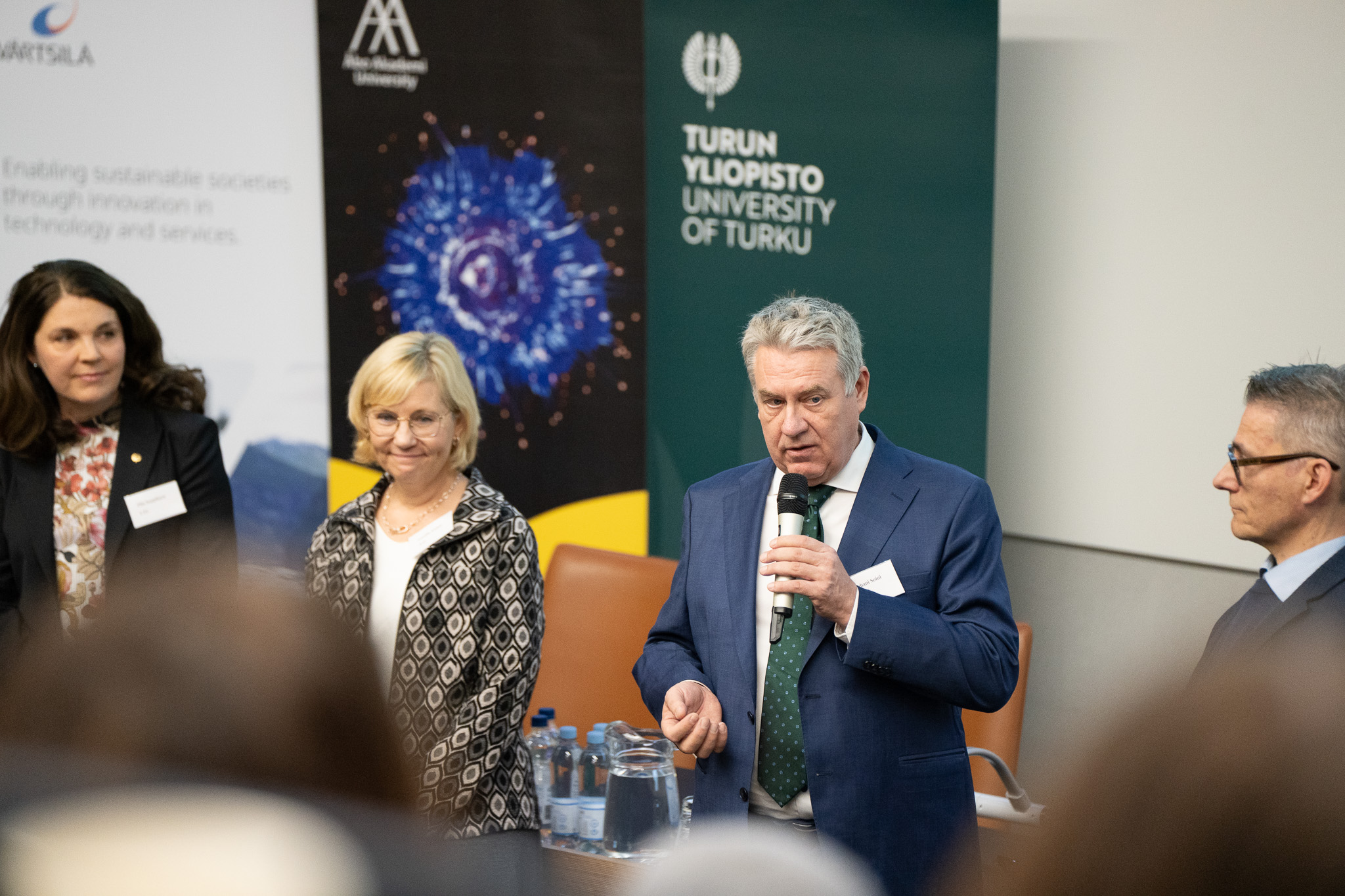
The transformation of the energy and maritime industries is challenging companies and higher education institutions to bring together an increasingly broad range of expertise. Corporate Corner brought Wärtsilä…
-
News
Nature-based treatment solutions for reducing harmful PFAS releases are being piloted in Kuninkoja
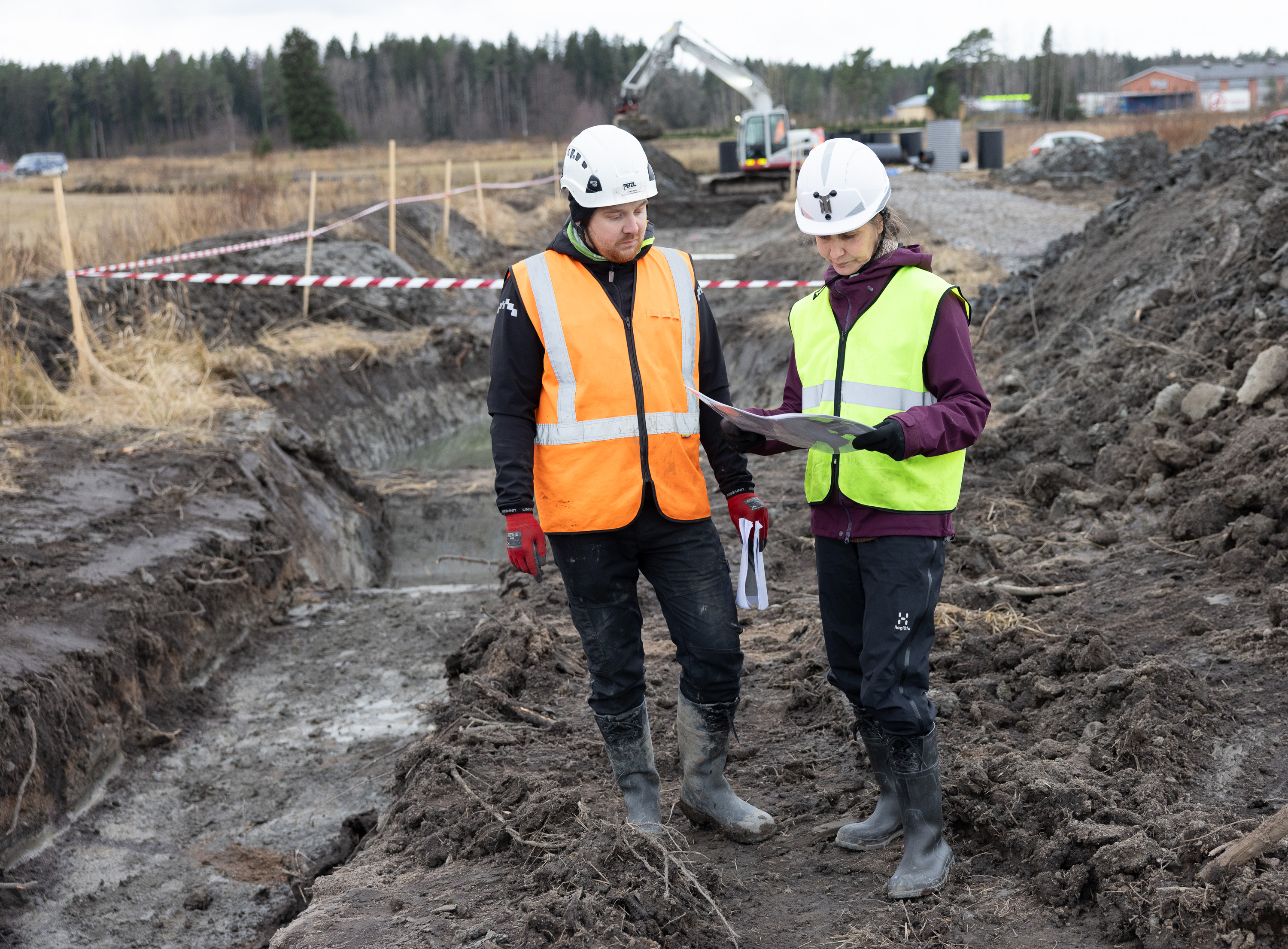
At the pilot plant in Kuninkoja in Turku, Finland, different methods are being tested to reduce harmful PFAS compounds. The pilot plant implemented by Turku UAS is the…
-
Case
Long-term industry collaboration benefits everyone involved
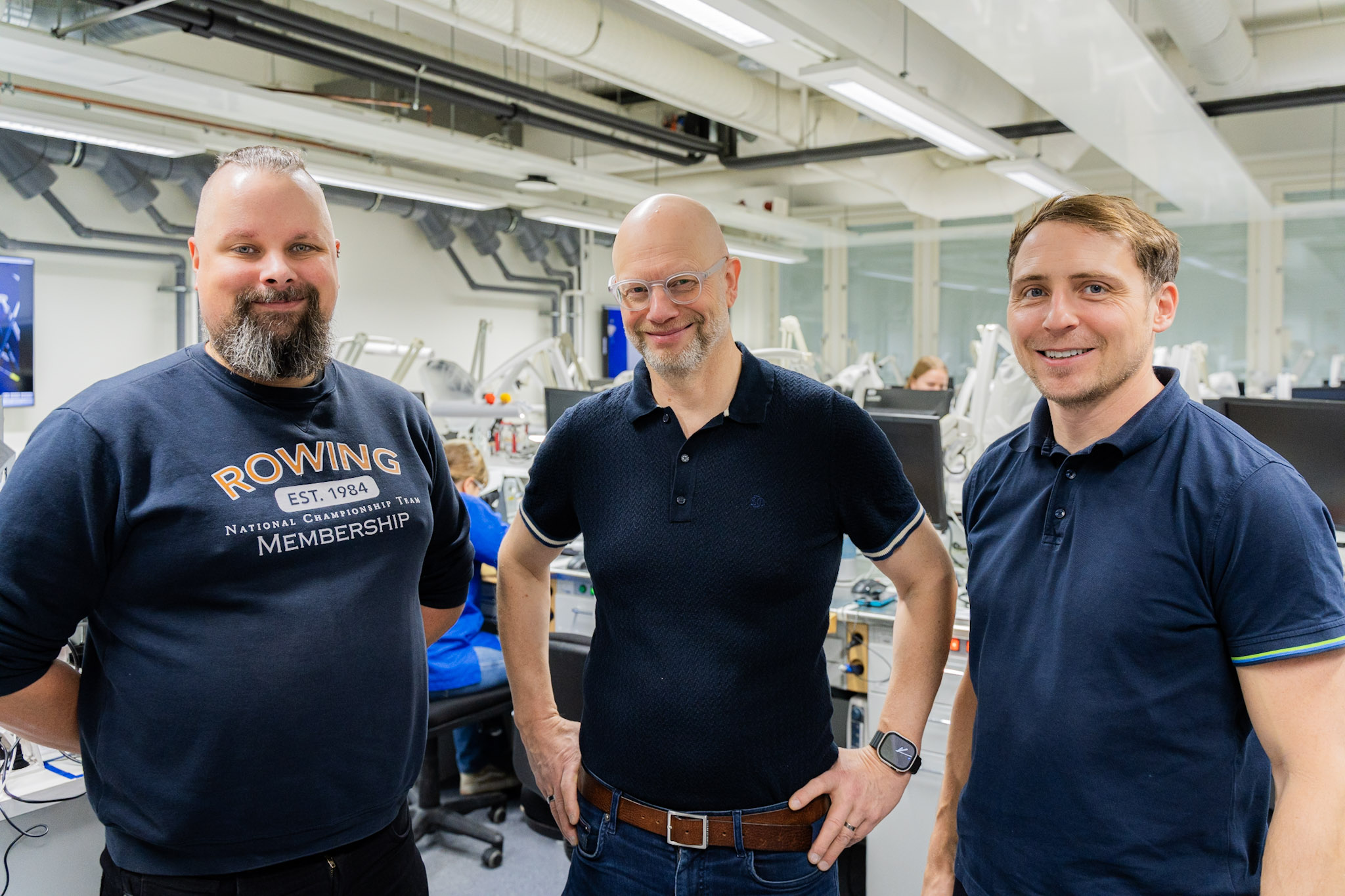
When a company returns year after year to teach a course for university of applied sciences students, it reflects a long-term commitment that benefits the company, students, the…