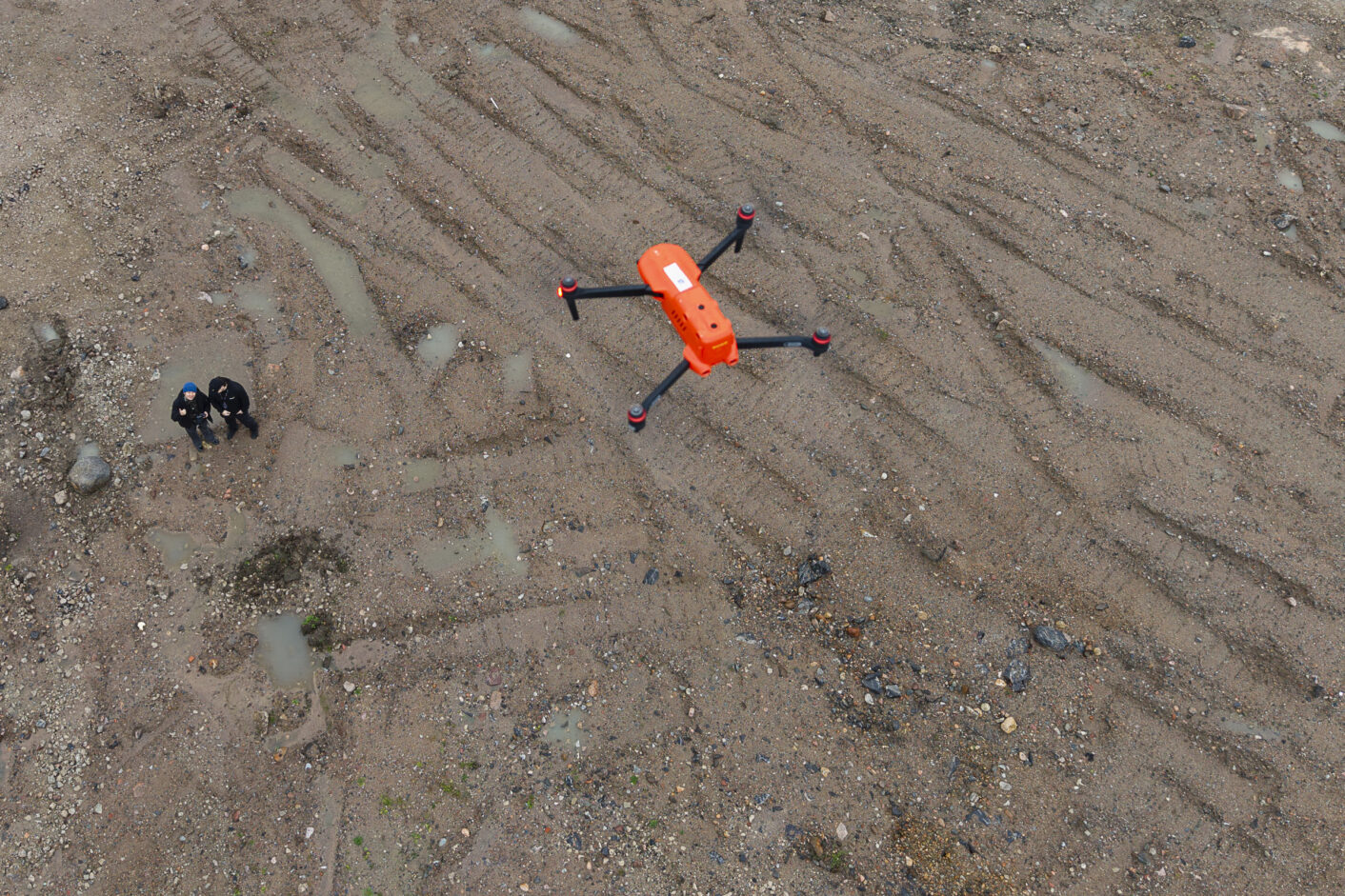
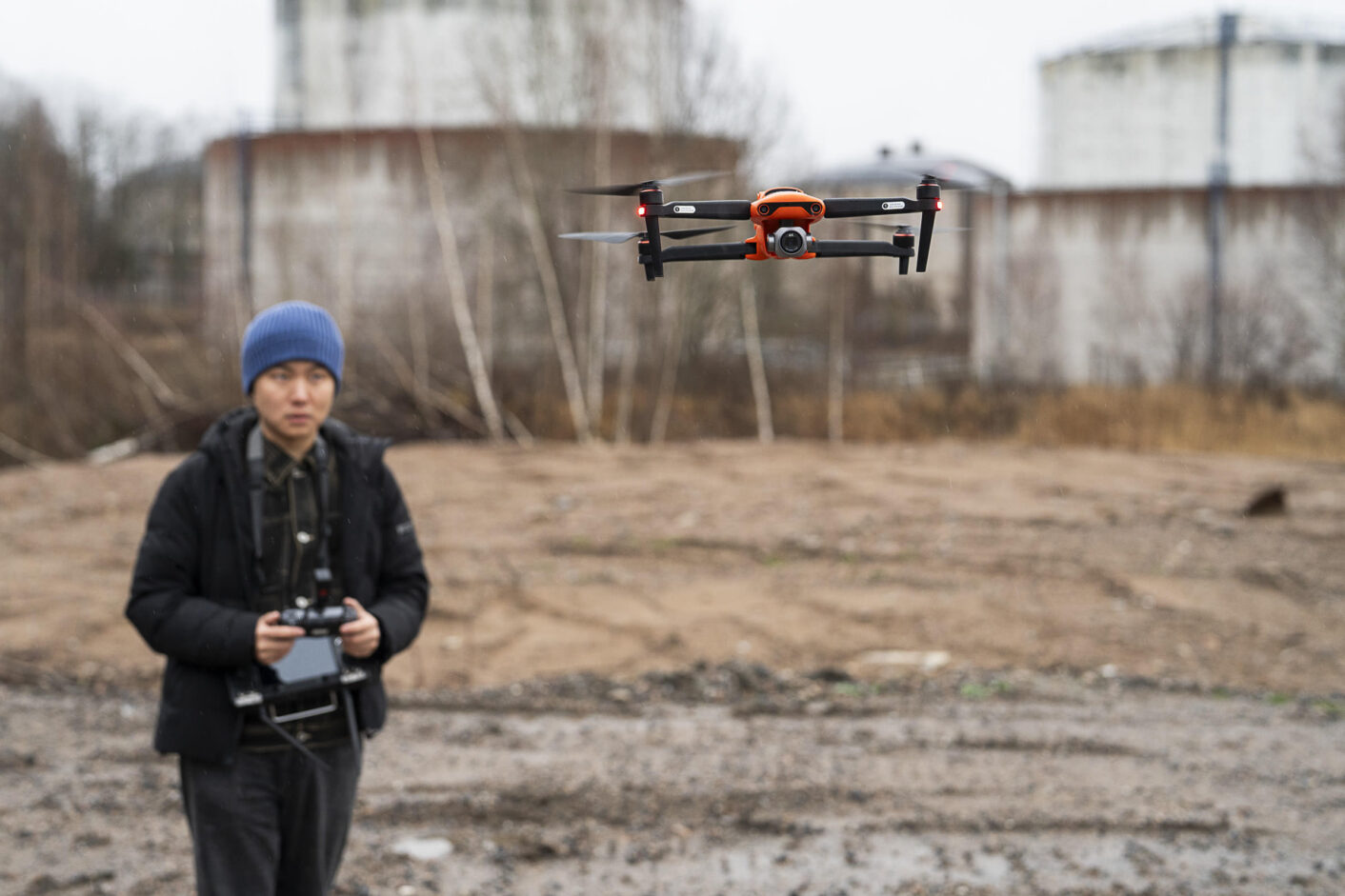
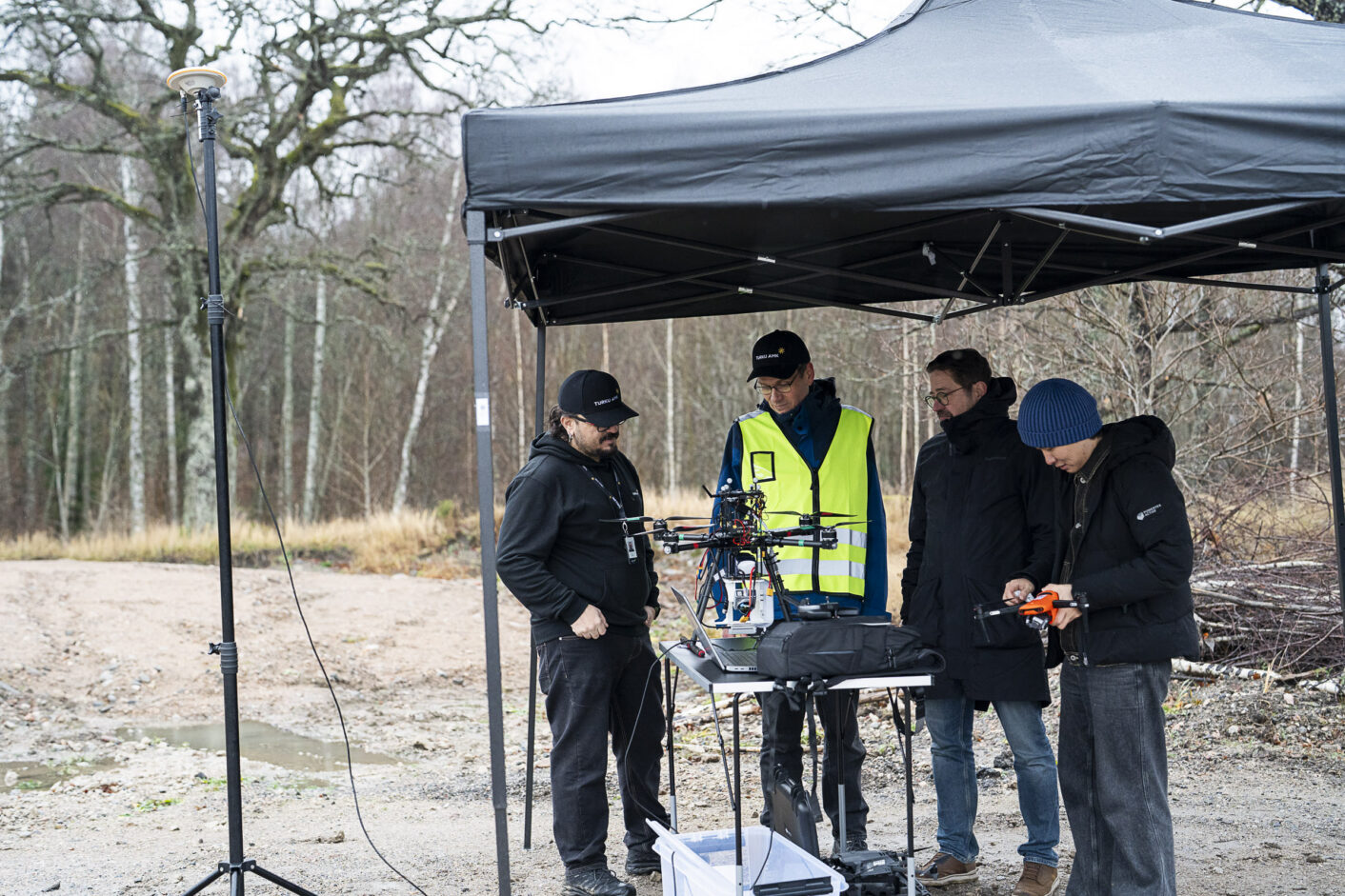
The City of Turku aims to make the city safer and better functioning by developing low-altitude airspace technologies. Solutions are being sought for areas such as public transportation and the monitoring of critical infrastructure. In Turku Zone, a test area approved by the Finnish Transport and Communications Agency Traficom, companies and higher education institutions can test new autonomous technologies in urban and maritime environments.
Published:
Edited:
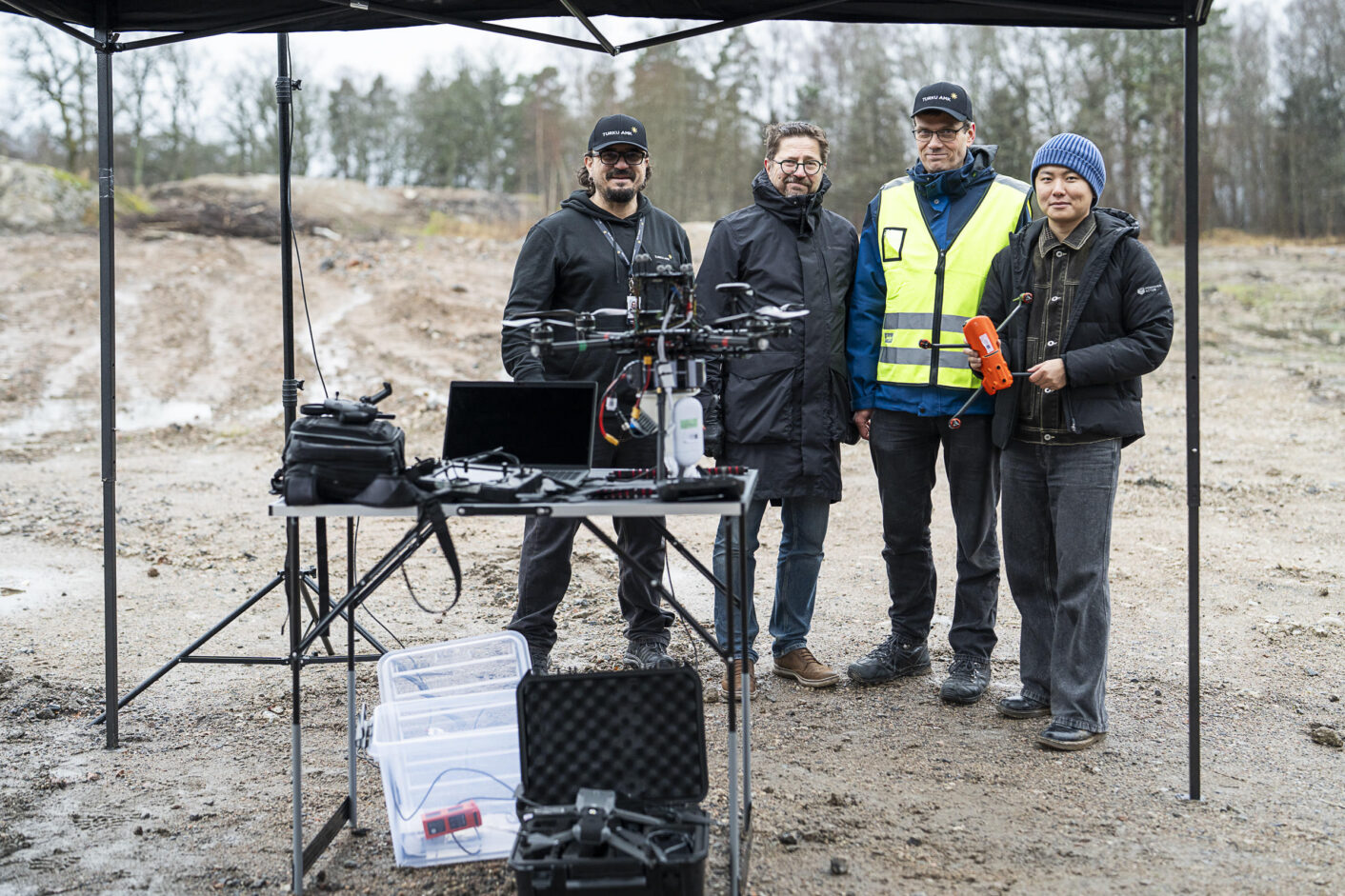
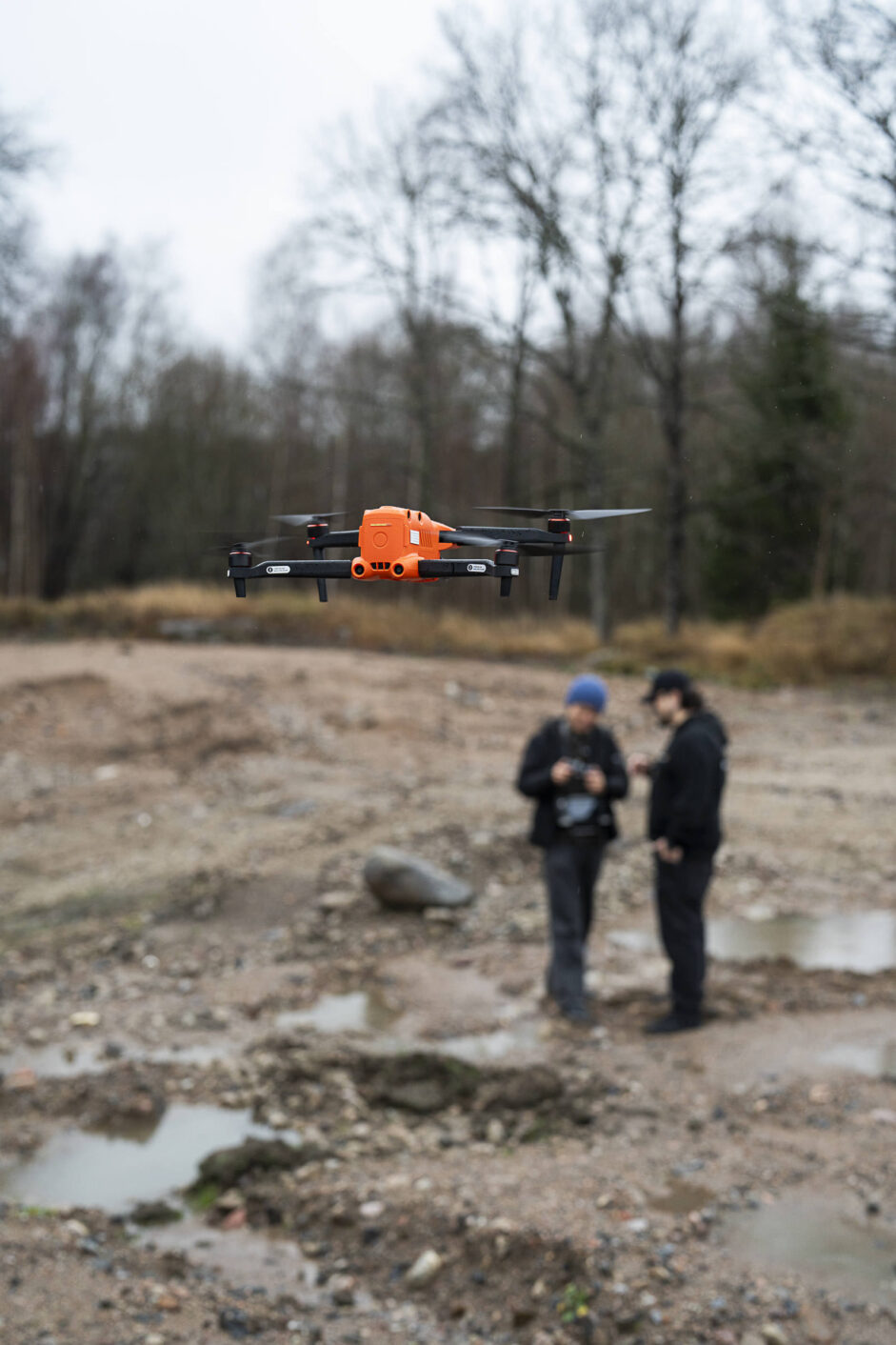
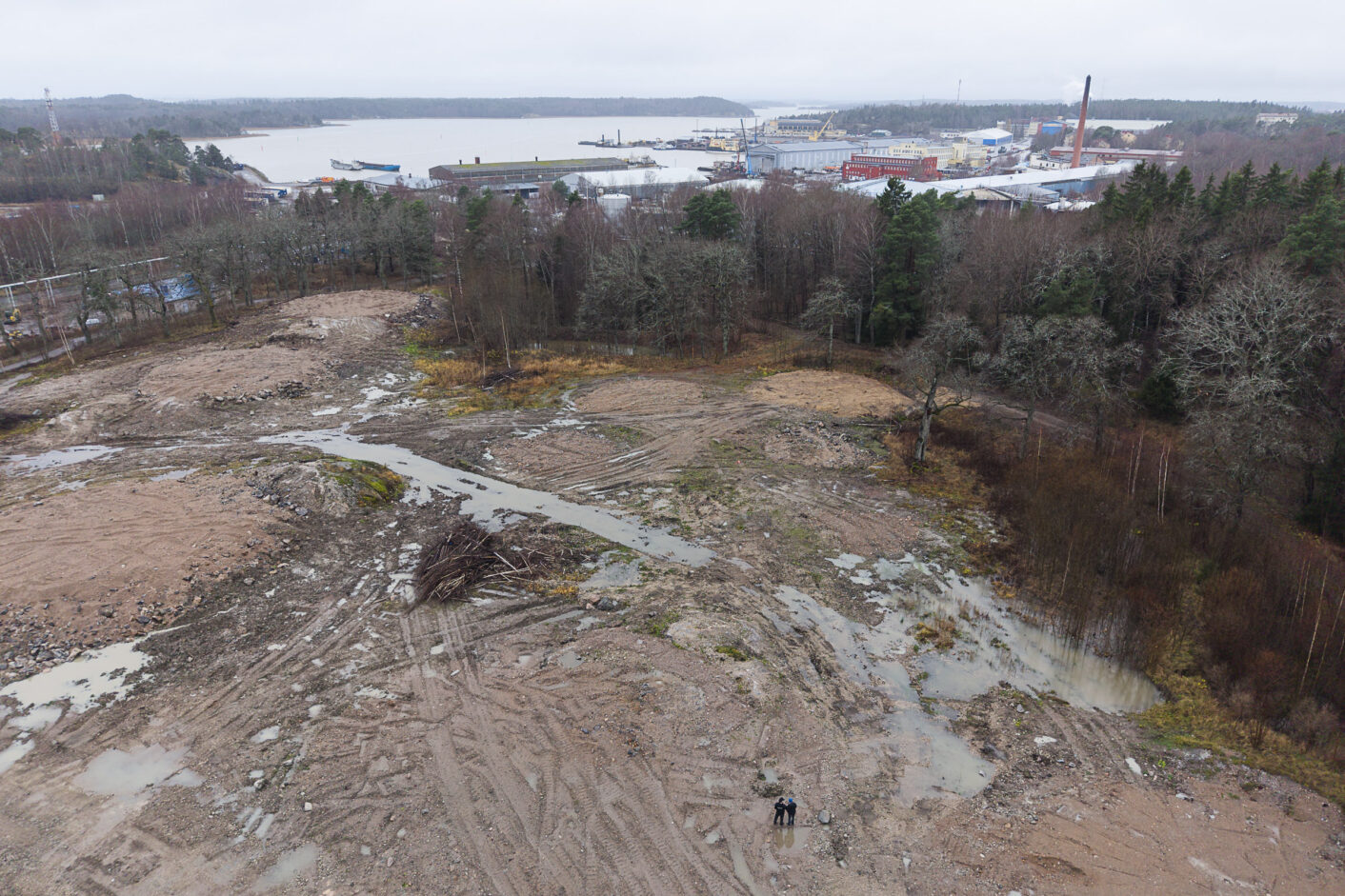
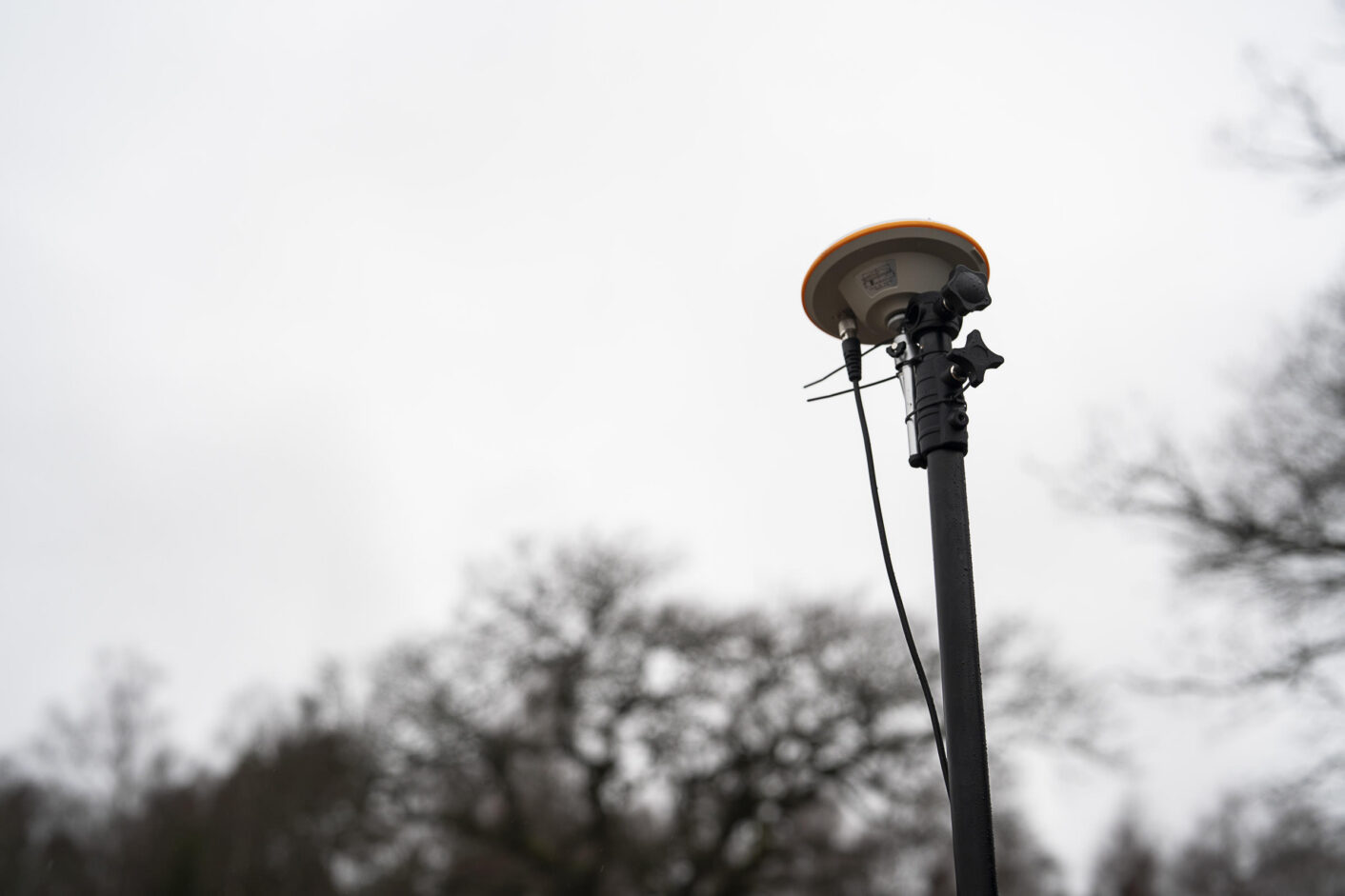
Turku Zone is a test area of approximately 1,056 hectares covering the maritime and urban environment between Pansio, Perno, Ruissalo, and the port areas. Traficom has approved the low-altitude flight area for the period from October 1, 2026, to April 14, 2027. In addition to drones, the area can be used to test software, communication links, and sensors. The aim is to develop new services for purposes such as monitoring traffic flows, inspecting infrastructure and construction sites, transport, and supporting urban planning.
“Our goal is a safer and better-functioning Turku. In the future, technologies developed in the test area could be used, for example, to make public transportation run more smoothly. For residents, this means an easier everyday life. At the same time, we want to attract new business and growth-oriented companies to Turku that will also employ local talent in the future,” says Anna Kivinen, Innovation Director at the City of Turku.
Test area creates growth opportunities for companies
Autonomous systems such as drones, autonomous vessels, and self-driving vehicles are moving from trials to established use in logistics, security, environmental monitoring, and industry. The Turku region already has strong maritime and technology expertise, as well as research and testing infrastructure at its higher education institutions.
Technology is no longer the bottleneck. What companies often lack are places where they can test their solutions in real-world conditions. In addition, regulation and cooperation with authorities in low-altitude airspace require specialist expertise, which higher education institutions can now offer to companies using Turku Zone,”
Tero Reunanen
Dean of the ICT and Industrial Engineering faculty at Turku UAS
“Turku Zone gives companies a concrete way to take new solutions from trials to the market. We encourage interested companies to get in touch now,” says Toivo Koskinen, who is responsible for investment services at Business Turku.
Controlled test area with three zones
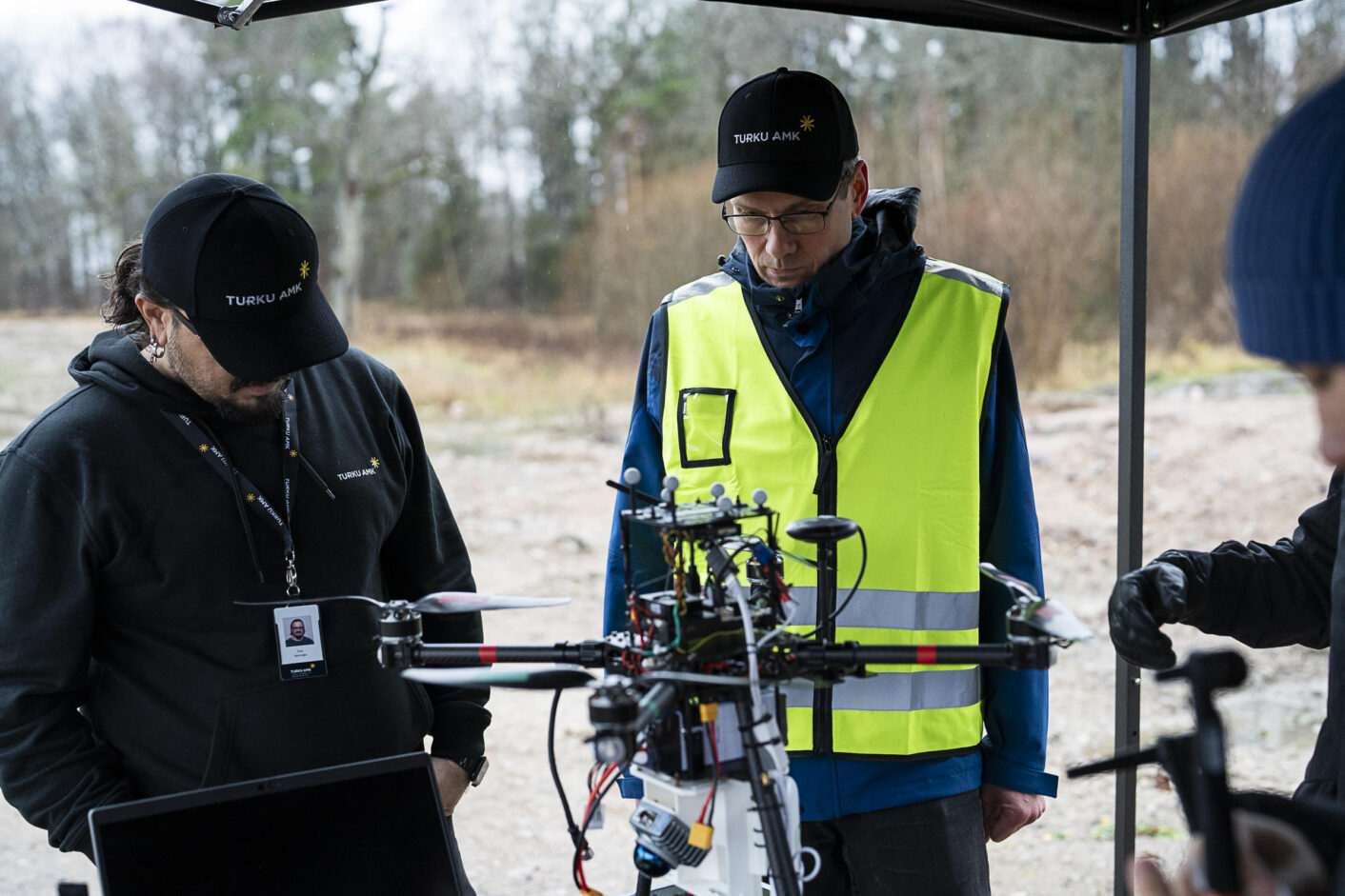
Turku Zone is administered by Turku University of Applied Sciences and divided into three zones. Zone A, located in the Pansio port and industrial area, is a fenced base for testing equipment and for training. Zone B, the largest, covers the maritime and archipelago environment as well as Ruissalo. Zone C covers populated areas, and its safety requirements are the strictest. The maximum flight altitude is 120 meters.
The test area is supervised by Traficom. Operations are based on test-specific risk management that takes into account the needs of other air traffic and of services such as emergency medical flights.
Operations place special emphasis on safety and on keeping any disruption to a minimum. Residents of Ruissalo, Pansio, and Perno have received a letter informing them about the test area and explaining how they can give feedback via the website turkuamk.fi/turkuzone. In addition, an information session for residents and businesses will be held in early 2027.
Turku Zone is part of the Low Altitude Economy ecosystem, which develops unmanned aviation and autonomous systems. The ecosystem is coordinated by the City of Turku, Business Turku, Turku University of Applied Sciences, and the University of Turku.
Read next
-
News

Turku University of Applied Sciences is helping to develop new ways to utilize XR technology in medicine
The MEDALLION research project developed tools and new operating models that utilize extended reality (XR) and artificial intelligence (AI). The project was coordinated by the University of Tampere.…
-
News
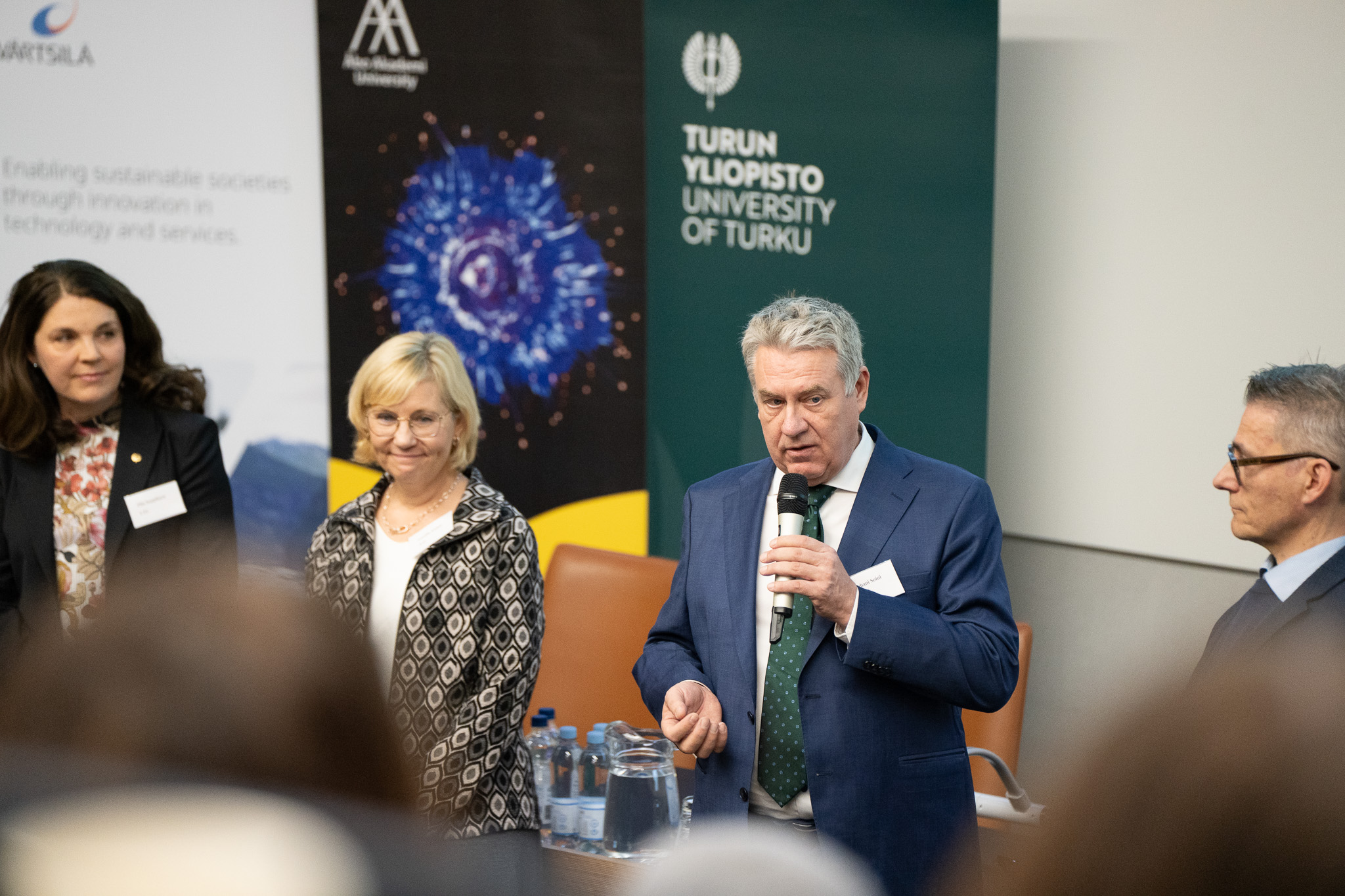
Energy and maritime industry transformation calls for new forms of collaboration
The transformation of the energy and maritime industries is challenging companies and higher education institutions to bring together an increasingly broad range of expertise. Corporate Corner brought Wärtsilä…
-
News
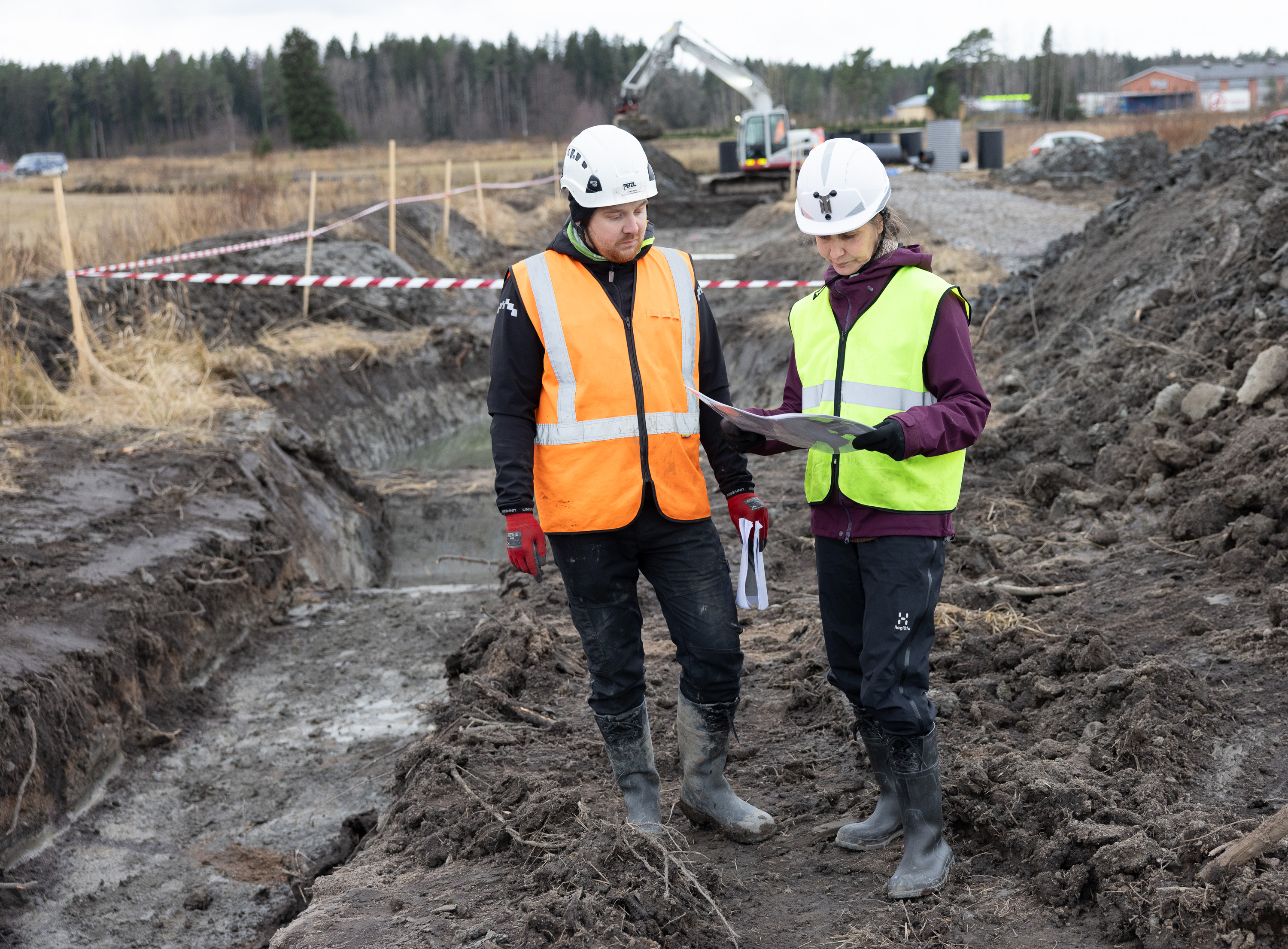
Nature-based treatment solutions for reducing harmful PFAS releases are being piloted in Kuninkoja
At the pilot plant in Kuninkoja in Turku, Finland, different methods are being tested to reduce harmful PFAS compounds. The pilot plant implemented by Turku UAS is the…