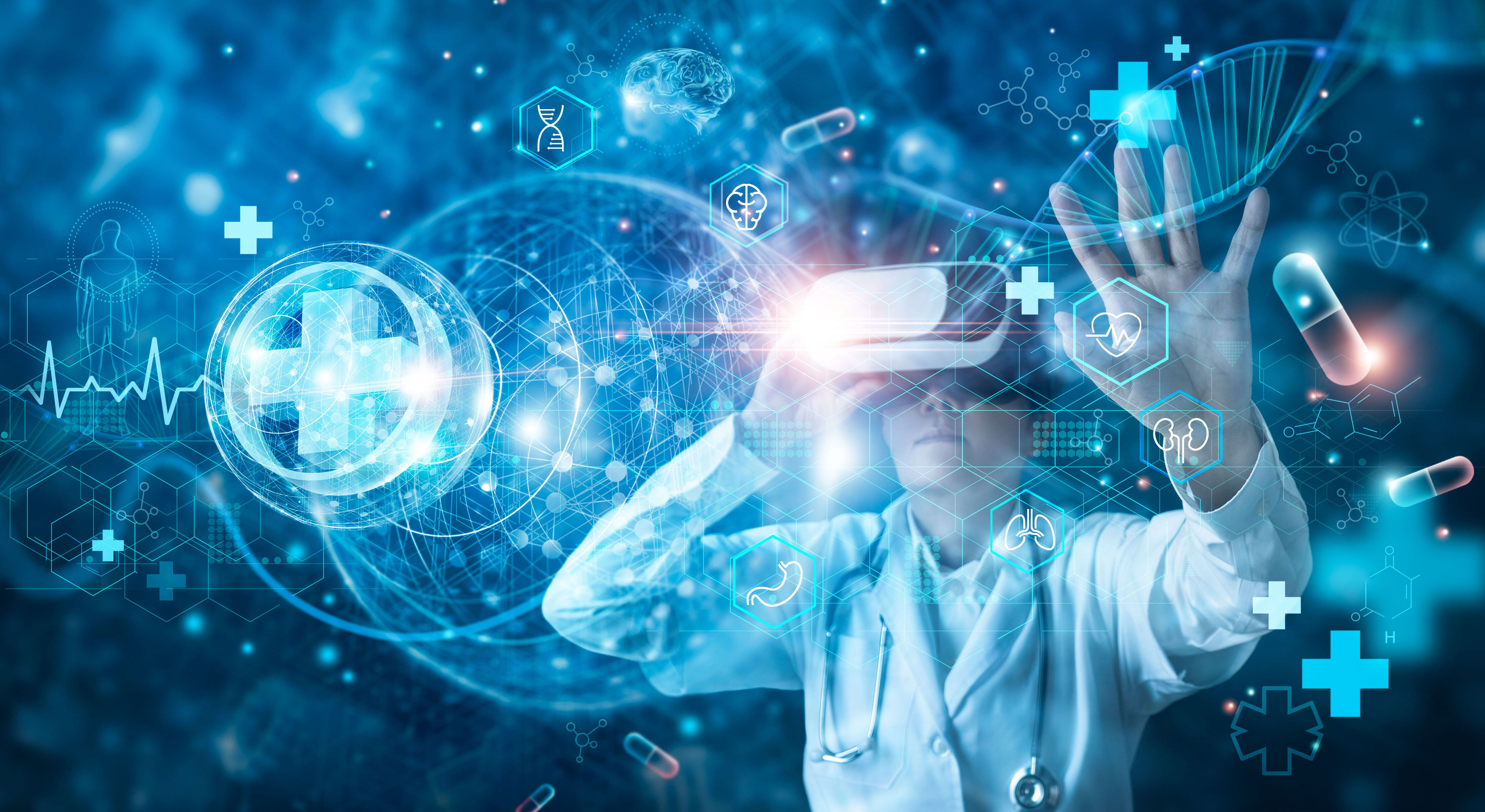
The MEDALLION research project developed tools and new operating models that utilize extended reality (XR) and artificial intelligence (AI). The project was coordinated by the University of Tampere.
Julkaistu:
Muokattu:
The volume of medical data has grown rapidly with the advent of digital imaging, but new types of tools are needed to make effective use of this data. The MEDALLION – Medical AI and Immersion project investigated how virtual and augmented reality, as well as artificial intelligence, can be utilized in medicine and healthcare education.
In this project, Turku University of Applied Sciences focused in particular on how XR environments could streamline workflows, reduce errors, and save time and money. The project was coordinated at Turku University of Applied Sciences by the Future Interactive Technologies (FIT) research group, with INSIGHT—Intelligent Sensing and Computing Technologies— and the Oral Health research groups serving as co-implementers.
“One of the most valuable aspects of this project has been bringing together expertise from different fields. When healthcare expertise, XR technologies, and artificial intelligence are combined, we can explore solutions that may have very tangible benefits in the future for both education and healthcare”, says Jukka Huovinen, a senior advisor at Turku University of Applied Sciences.
Virtual Reality in Dental Technology Education
One of the research topics at Turku University of Applied Sciences was the use of virtual reality in dental technology education. In collaboration with the FIT research group, the project developed a VR learning environment where teachers and students can view and manipulate enlarged digital 3D models of dental prostheses together.
At the same time, pedagogical models and learning activities suitable for the environment were developed. The goal was to determine how an immersive learning environment can complement traditional solutions based on 2D displays, particularly when studying complex three-dimensional structures.
Based on the results, VR increased students’ sense of presence, interest, sense of meaning in learning, and perceived competence.
The effectiveness of the VR environment was studied in a real-world teaching situation with 45 students. The study compared VR-based learning using Meta Quest 3 headsets to traditional 2D computer displays. In addition to learning outcomes, the study examined spatial perception, cognitive load, usability, and the students’ motivation and experiences, among other factors.
“Based on the results, VR increased students’ sense of presence, interest, perceived meaningfulness of learning, and perceived competence. Traditional 2D displays, on the other hand, were more effective at facilitating the retention of detailed factual information and caused less cognitive load. The results support the idea that VR’s strength lies primarily in complementing traditional teaching and, in particular, in enhancing the experiential nature of learning and motivation”, says senior lecturer Johannes Halttu of the Oral Health research group.
MEDALLION – Medical AI and Immersion
- The MEDALLION research project began in 2023 and will conclude at the end of 2026.
- Funding for the project has totaled approximately eight million euros from Business Finland and the companies participating in the project.
- The project has been coordinated by the University of Tampere.
- In addition to Turku University of Applied Sciences, the partners include Tampere University Hospital, Aalto University, as well as Nokia, OptoFidelity, AMD Silo AI, Lingsoft, Osgenic, Planmeca, and Varjo Technologies.
- Read the University of Tampere’s press release about the project. (In Finnish)
MEDALLION has also conducted research on distributed machine learning.
“In this project, we have been researching distributed machine learning, which enables the development of models trained on medical images through collaboration among various stakeholders. “The technology we’ve developed is currently undergoing an international pilot at Hiroshima University in Japan”, says principal lecturer Eero Lehtonen from the INSIGHT research group.
An extensive network of experts
At MEDALLION, the expertise of Turku University of Applied Sciences is integrated into extensive national and international research, education, and business partnerships.
Mika Luimula, Head of Education and Research at Turku University of Applied Sciences, highlights collaboration between higher education institutions as one of the project’s particular strengths. According to him, MEDALLION also demonstrates the opportunities that national research infrastructures can offer for research and development.
“I believe that the work we’ve done will give rise to new project ideas at both the national and international levels. In the future, the development of the metaverse in medicine will emphasize the application of the latest AI solutions and connections to the patient’s digital twin. At that point, the importance of data—and sensitive health information in particular—will grow even further”, Luimula predicts.
For more information:




Read next:
-
News
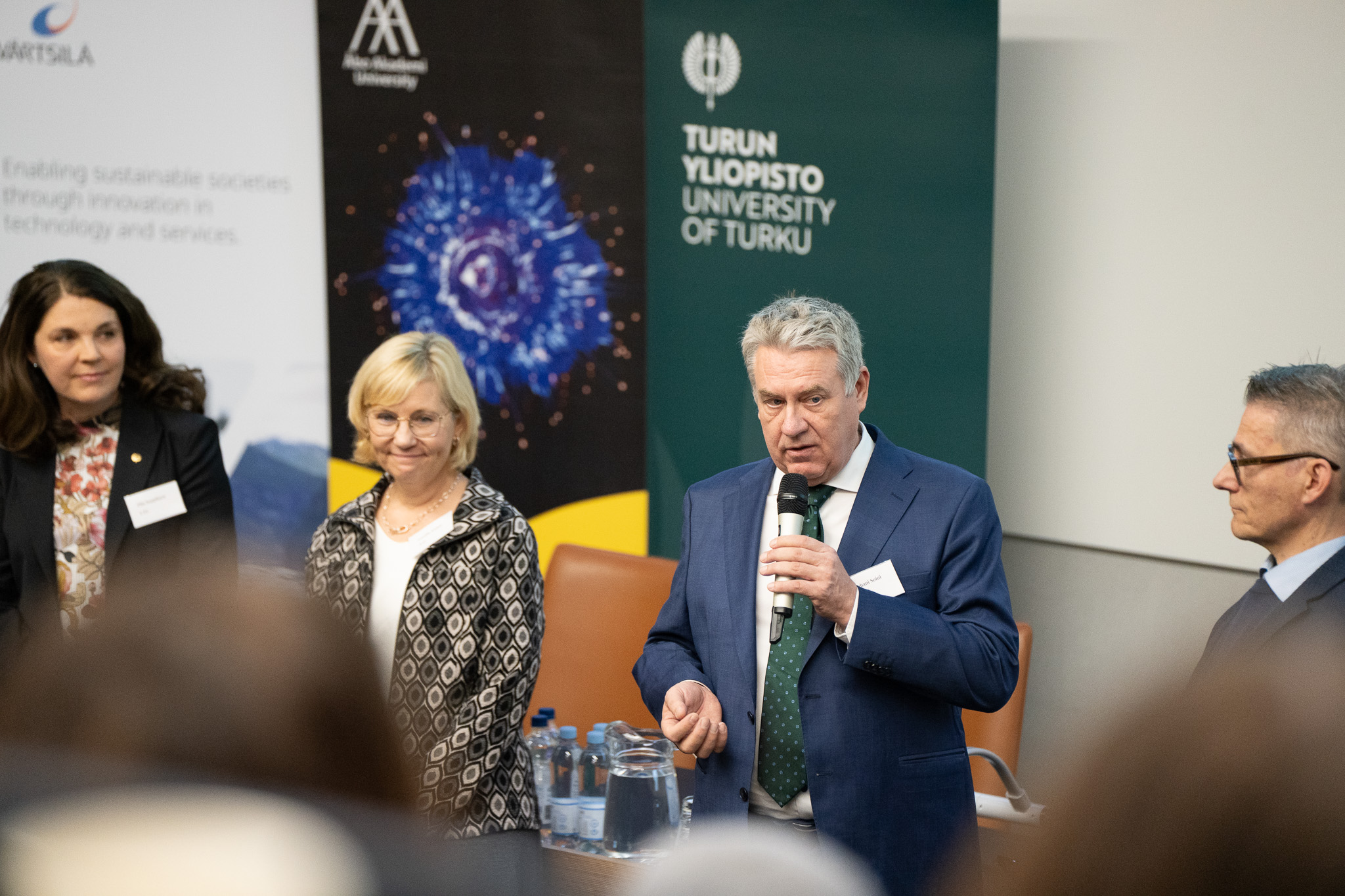
Energy and maritime industry transformation calls for new forms of collaboration
The transformation of the energy and maritime industries is challenging companies and higher education institutions to bring together an increasingly broad range of expertise. Corporate Corner brought Wärtsilä…
-
News
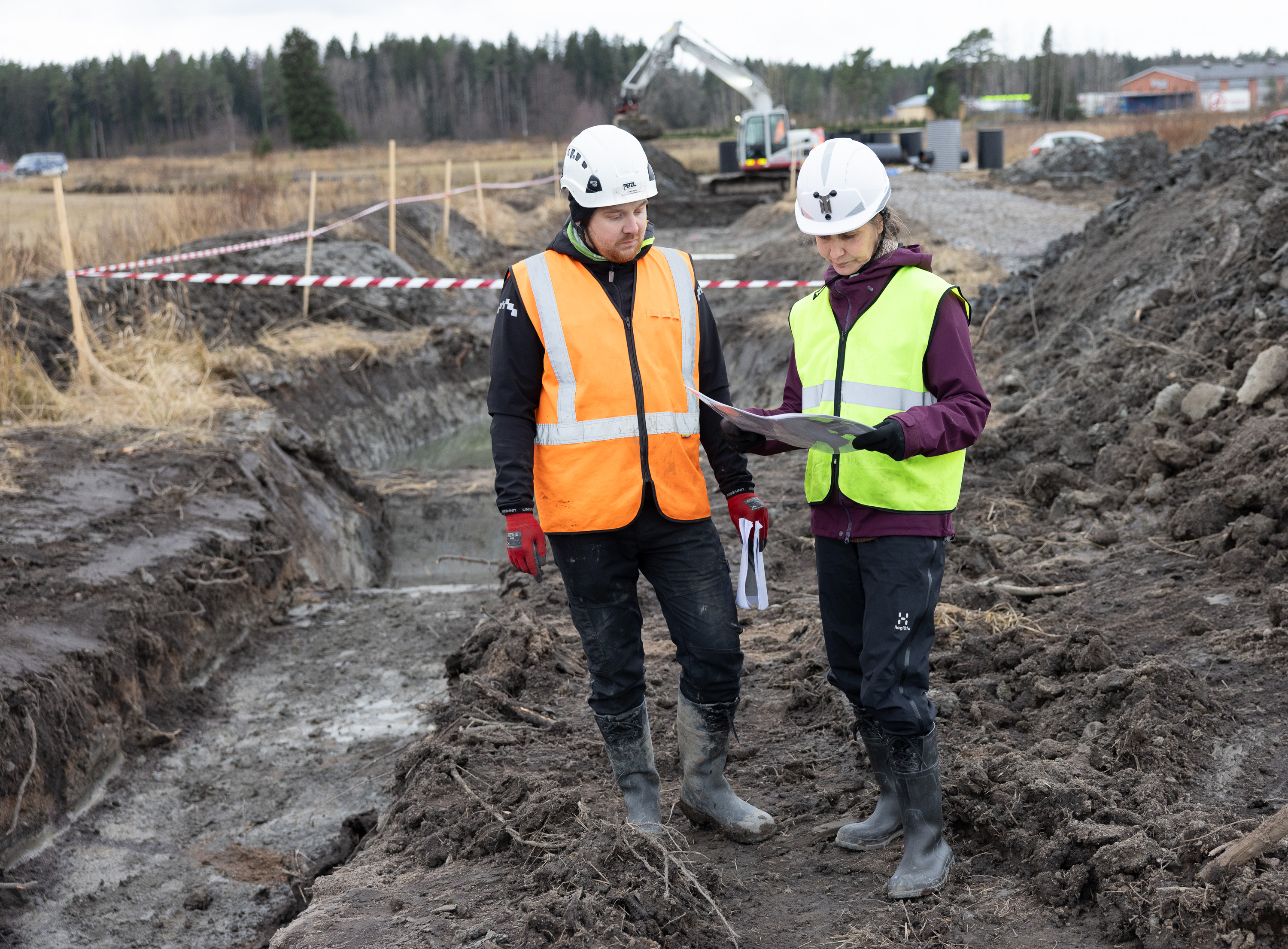
Nature-based treatment solutions for reducing harmful PFAS releases are being piloted in Kuninkoja
At the pilot plant in Kuninkoja in Turku, Finland, different methods are being tested to reduce harmful PFAS compounds. The pilot plant implemented by Turku UAS is the…
-
Case
Long-term industry collaboration benefits everyone involved
When a company returns year after year to teach a course for university of applied sciences students, it reflects a long-term commitment that benefits the company, students, the…