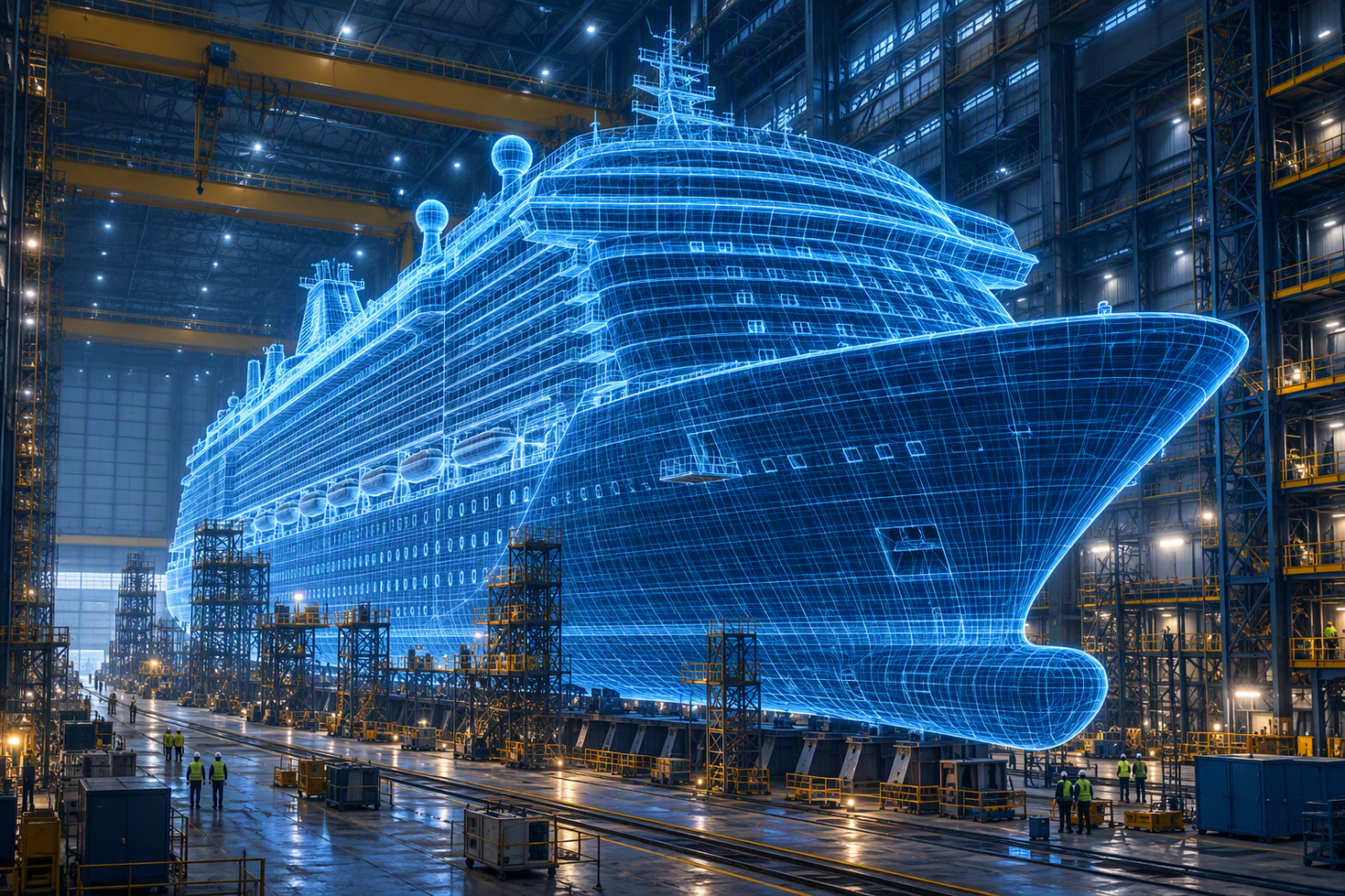
The transformation of the energy and maritime industries is challenging companies and higher education institutions to bring together an increasingly broad range of expertise. Corporate Corner brought Wärtsilä and four higher education institutions together in Turku. At Turku University of Applied Sciences, collaboration with companies takes place through research projects and the activities of the new Center for Maritime and Shipbuilding Technologies, among other initiatives.
Published:
Edited:
New energy solutions, digitalization, artificial intelligence and increasing demands for energy efficiency are rapidly transforming industry. Addressing many of these development challenges requires companies and higher education institutions to combine expertise from different fields.
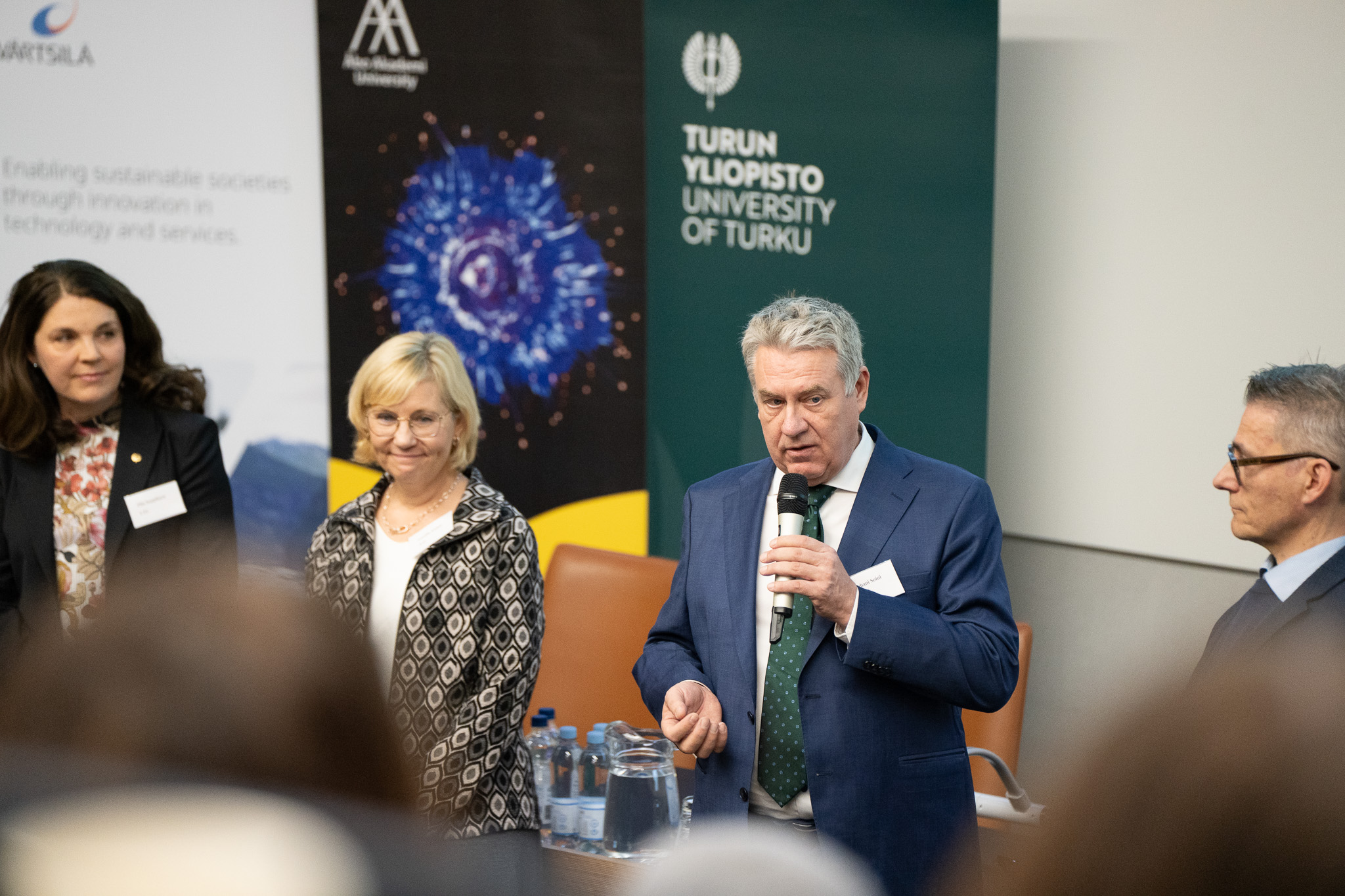
Wärtsilä President and CEO Håkan Agnevall described the pace of change at the Wärtsilä Corporate Corner event held in Turku. According to Agnevall, the energy and maritime industries will see more change over the next ten years than they have over the past 30 to 40 years.
Agnevall highlighted collaboration between Turku University of Applied Sciences, the University of Turku, Åbo Akademi University and Novia University of Applied Sciences as one of Turku’s strengths. At Corporate Corner, researchers from the four higher education institutions and Wärtsilä representatives explored ways to jointly address the company’s research and development needs.
Applied research addresses companies’ practical challenges
Turku UAS leads the Early Detection of Extreme Engine Events (EDE3) research project, which develops methods for the early detection, prediction and prevention of severe engine failures, with a particular focus on large internal combustion engines. Wärtsilä is one of the project’s industry partners.
The research combines experimental engine testing, advanced simulation models and real-time data analysis. Destructive engine testing under controlled conditions is also used to generate data on rare failure events. This data is essential for developing and validating predictive diagnostic models. The aim is to detect engine faults earlier and improve engine reliability and predictive maintenance.
– Companies’ development challenges do not follow the boundaries between higher education institutions or academic disciplines. The strength of Turku’s four higher education institutions lies in our ability to bring together different and complementary areas of expertise. For companies, this provides a broader knowledge base for research and development, says Juhani Soini, Vice Rector of Turku UAS.
The Center for Maritime and Shipbuilding Technologies brings expertise together for companies
A company’s development challenges may require expertise in areas such as manufacturing technology, automation, digitalization, and energy solutions. Turku UAS’ new Center for Maritime and Shipbuilding Technologies brings together the university’s maritime industry expertise for the benefit of businesses. The center is led by Chief Advisor Mervi Pitkänen.
Companies do not need to know in advance which areas of expertise are needed to solve a particular challenge. The center brings together the appropriate expertise to meet the need and makes a proposal for collaboration. The center offers companies a pathway to, for example, research and development collaboration, product development, piloting new technologies, and skills development. Another goal is to strengthen collaboration with other higher education institutions, universities, and research institutions in Finland and internationally.
The collaboration extends to European research networks
Turku UAS participates the Waterborne Technology Platform, which brings together European maritime companies, universities, and research institutions. Turku UAS has also joined the new EU Industrial Maritime Value Chains Alliance. Through the Waterborne collaboration, Turku UAS aims to participate in Finnish and European maritime industry networks, build partnerships for research and development projects, and bring research topics important to Finland into the European discourse.
Waterborne prepares proposals for topics in EU research and innovation calls. The European Commission will ultimately decide which calls for proposals to open. Jarkko Paavola, Head of Education and Research at Turku UAS, has represented the university on the Waterborne Partnership Board, which serves as a collaborative body between Waterborne and the European Commission.
Key themes in the Waterborne collaboration include carbon neutrality and energy solutions. Turku has, for example, advanced discussions within the network on topics related to the electrification of ships. Current issues include the maritime industry’s role in the EU’s next budget period and the continuation of the Waterborne collaboration. The maritime industry competes for research and innovation funding with other modes of transportation and industrial sectors.
– Finland has strong industrial and research expertise, but in Europe, a unified voice carries more weight than that of any single actor. When companies and universities identify common goals, we can bring the needs of Finnish industry more prominently into European research and development cooperation, says Soini.
Center for Maritime and Shipbuilding Technologies
The Center for Maritime and Shipbuilding Technologies strengthens cooperation with maritime industry companies, universities and research institutes in Finland and internationally. The aim is to build new projects and partnerships, strengthen expertise and support the international competitiveness of the Finnish marine industry.
Learn more
Read next
-
News
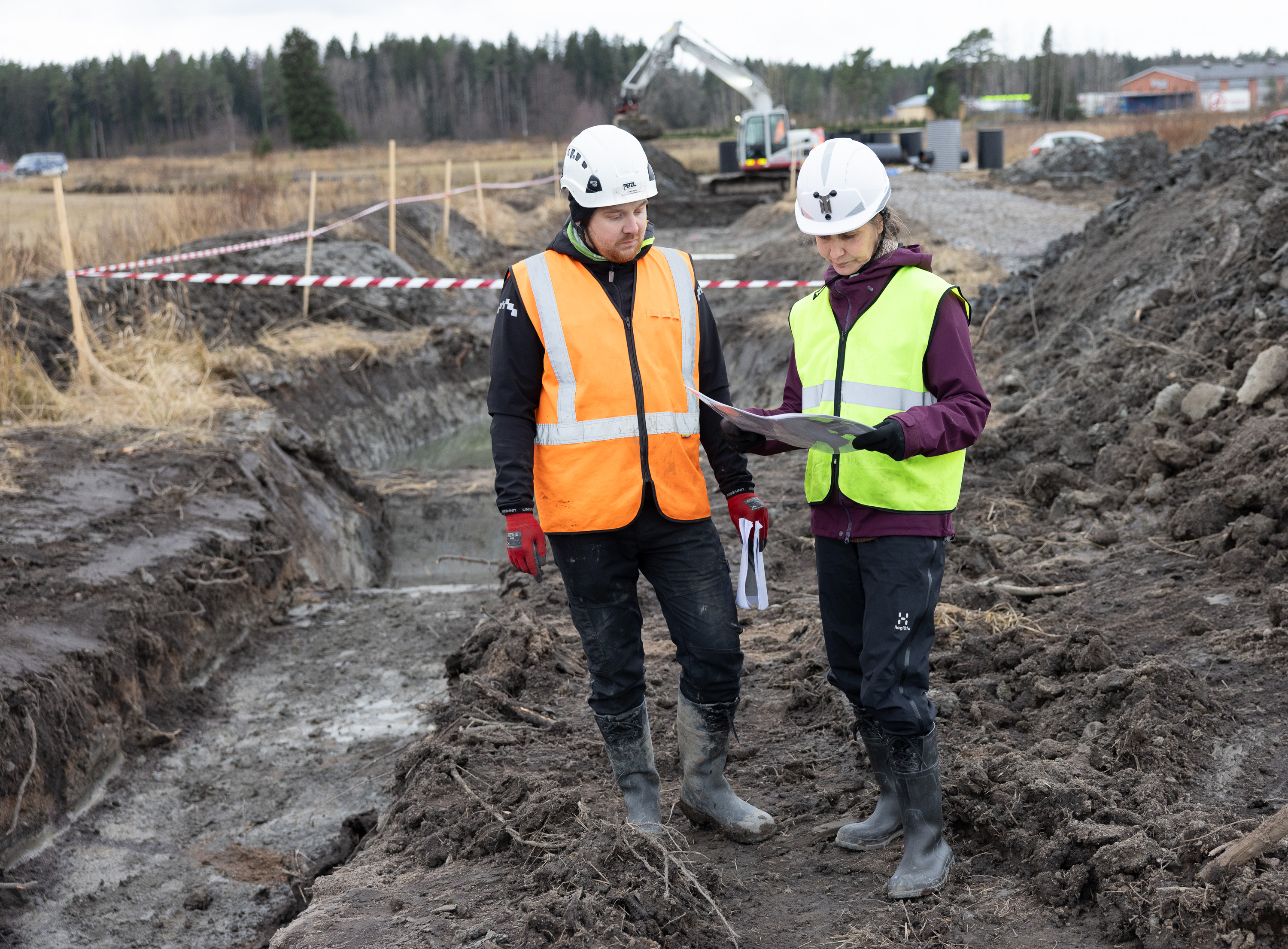
Nature-based treatment solutions for reducing harmful PFAS releases are being piloted in Kuninkoja
At the pilot plant in Kuninkoja in Turku, Finland, different methods are being tested to reduce harmful PFAS compounds. The pilot plant implemented by Turku UAS is the…
-
Press Release

Turku UAS is establishing a new research and expertise center to meet the needs of the maritime industry
The new Center for Maritime and Shipbuilding Technologies brings together Turku University of Applied Sciences’ research and education related to the maritime industry. The center strengthens Turku UAS’…
-
News
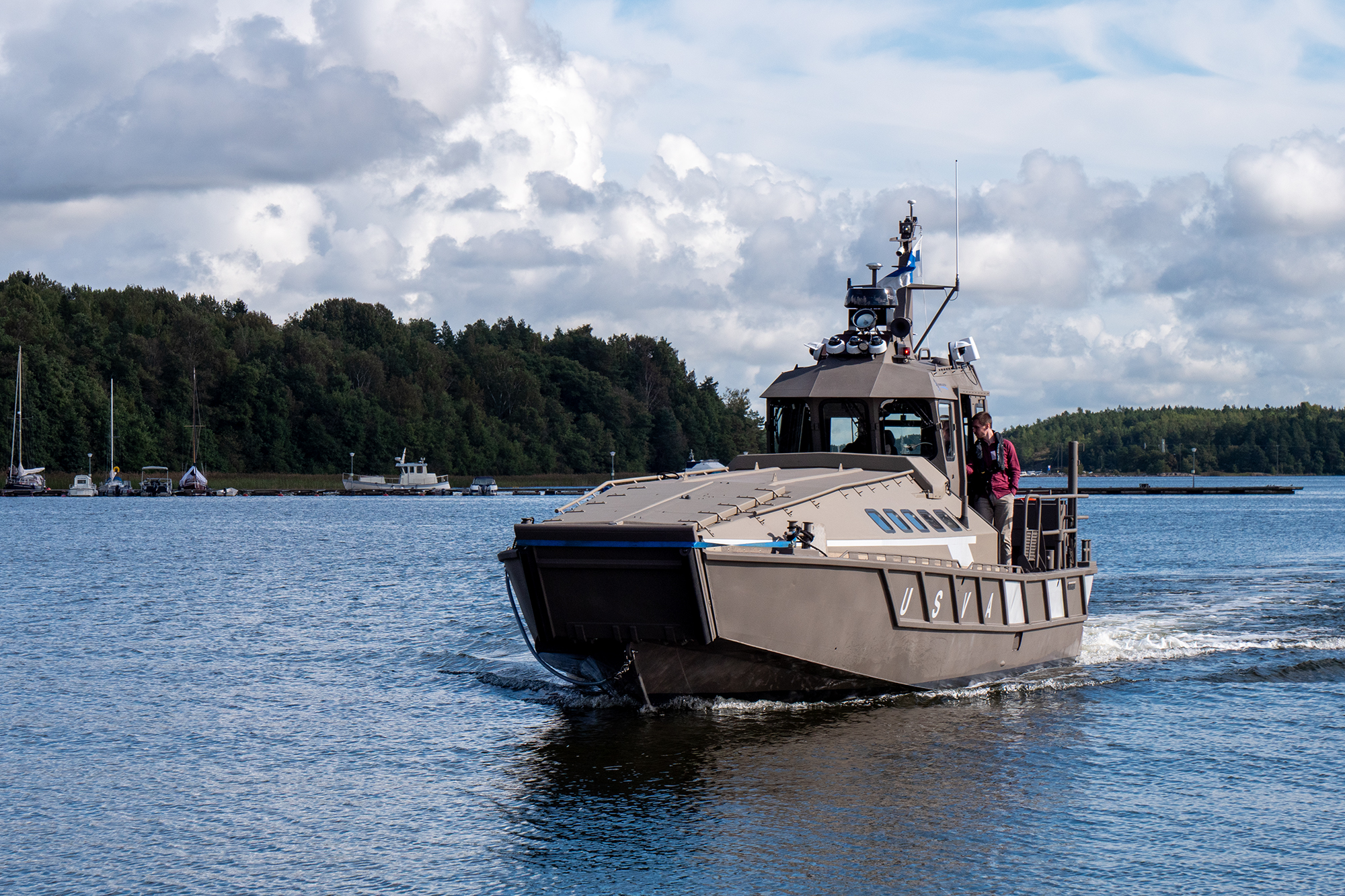
The USVA project built a remotely operated pilot vessel for monitoring marine areas
The pilot vessel developed as part of the USVA project helps create solutions to protect critical infrastructure in the Baltic Sea and strengthen maritime security.