
The pilot vessel developed as part of the USVA project helps create solutions to protect critical infrastructure in the Baltic Sea and strengthen maritime security. The technology aims to enhance surveillance and improve the ability to detect anomalies across vast maritime areas.
Published:
Edited:
In the future, the Baltic Sea may be monitored using autonomous vessels. The USVA – Uncrewed Surface Vessels for Automated Maritime Critical Infrastructure Protection project, coordinated by Turku University of Applied Sciences, is developing autonomous and unmanned vessels that can be used to protect critical infrastructure on the seabed.
Autonomous vessels can perform tasks independently without constant human guidance. Developing these solutions is challenging, as the vessels must be able to operate even under conditions such as GPS and communication interference.
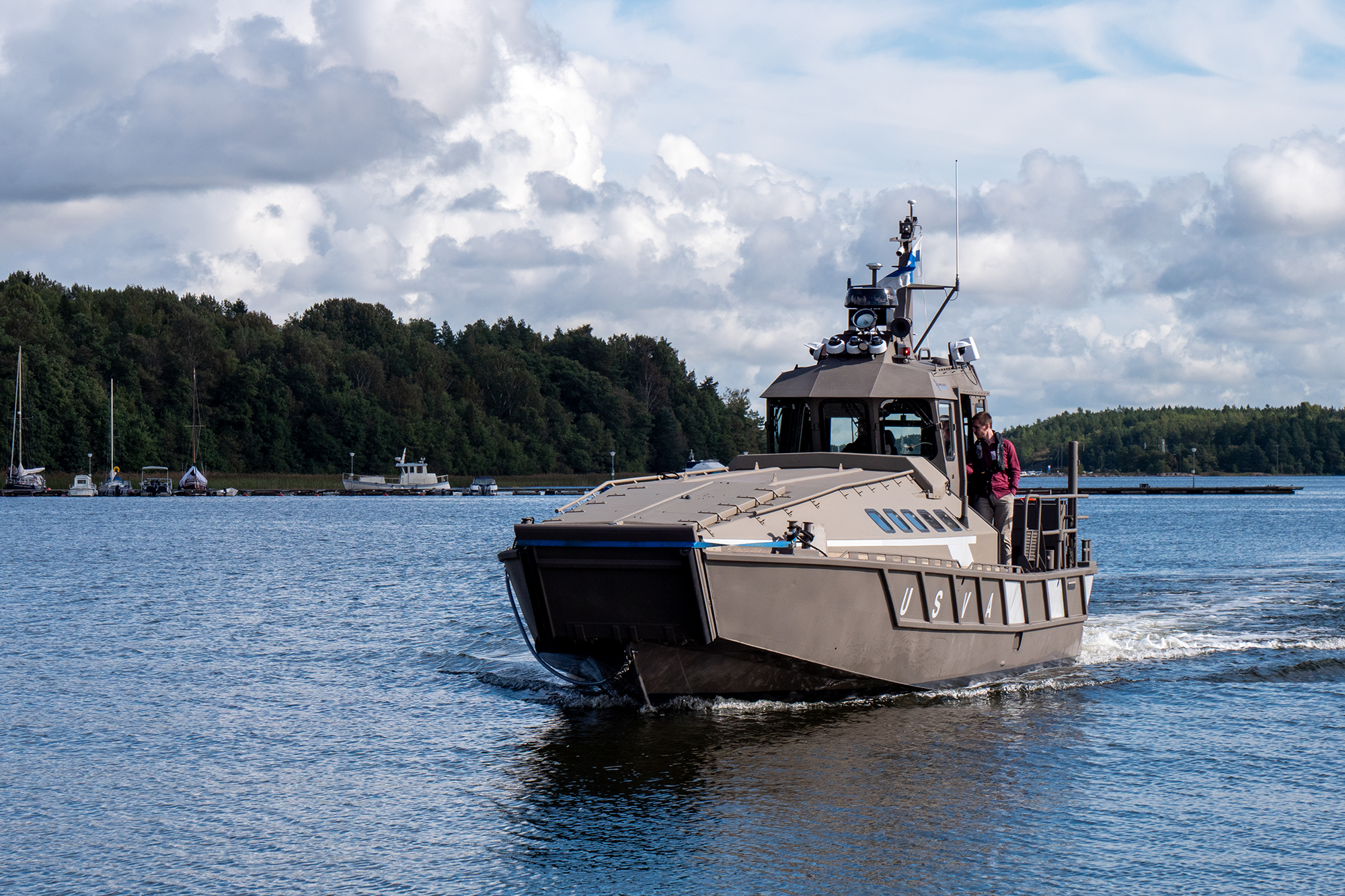
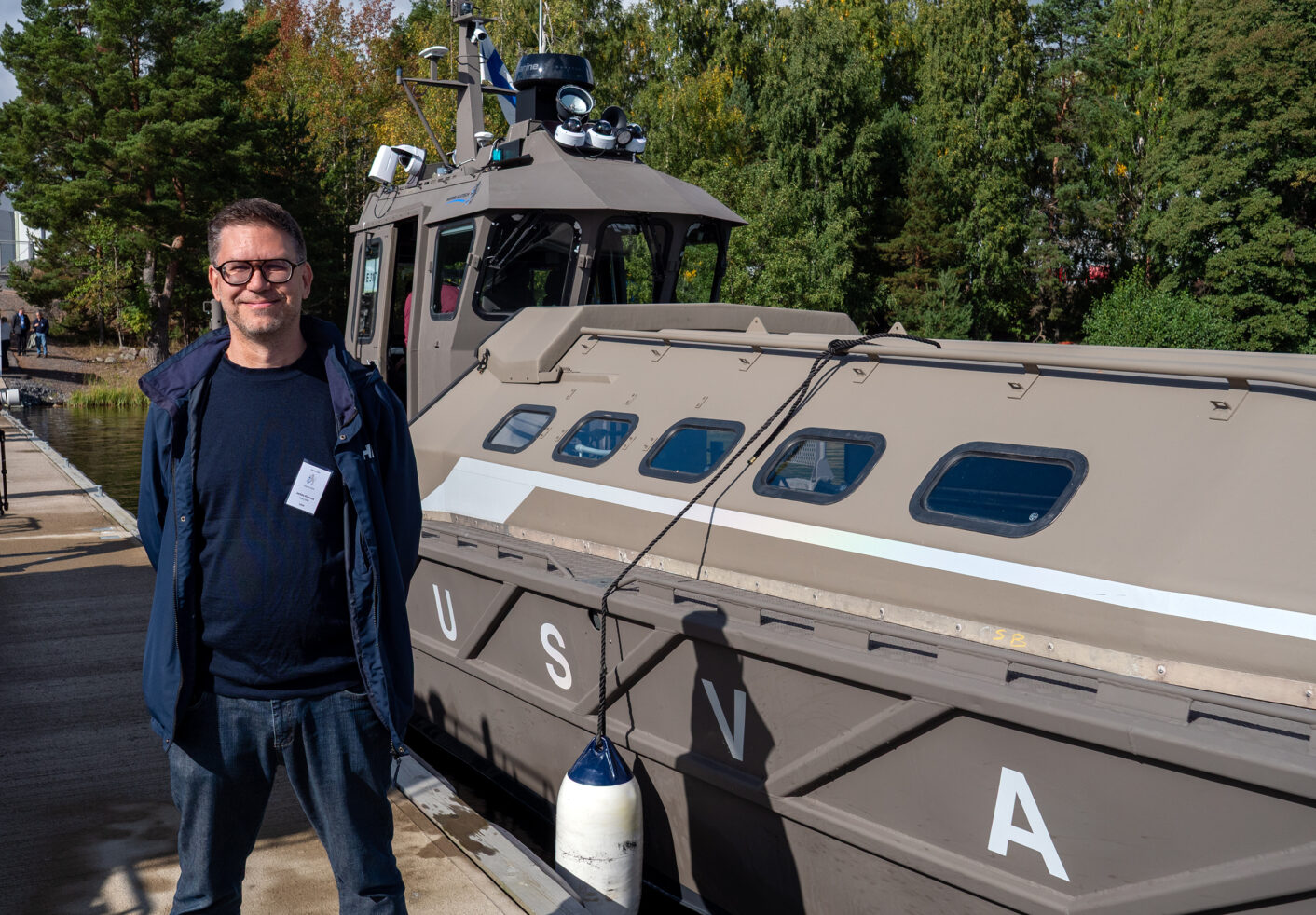
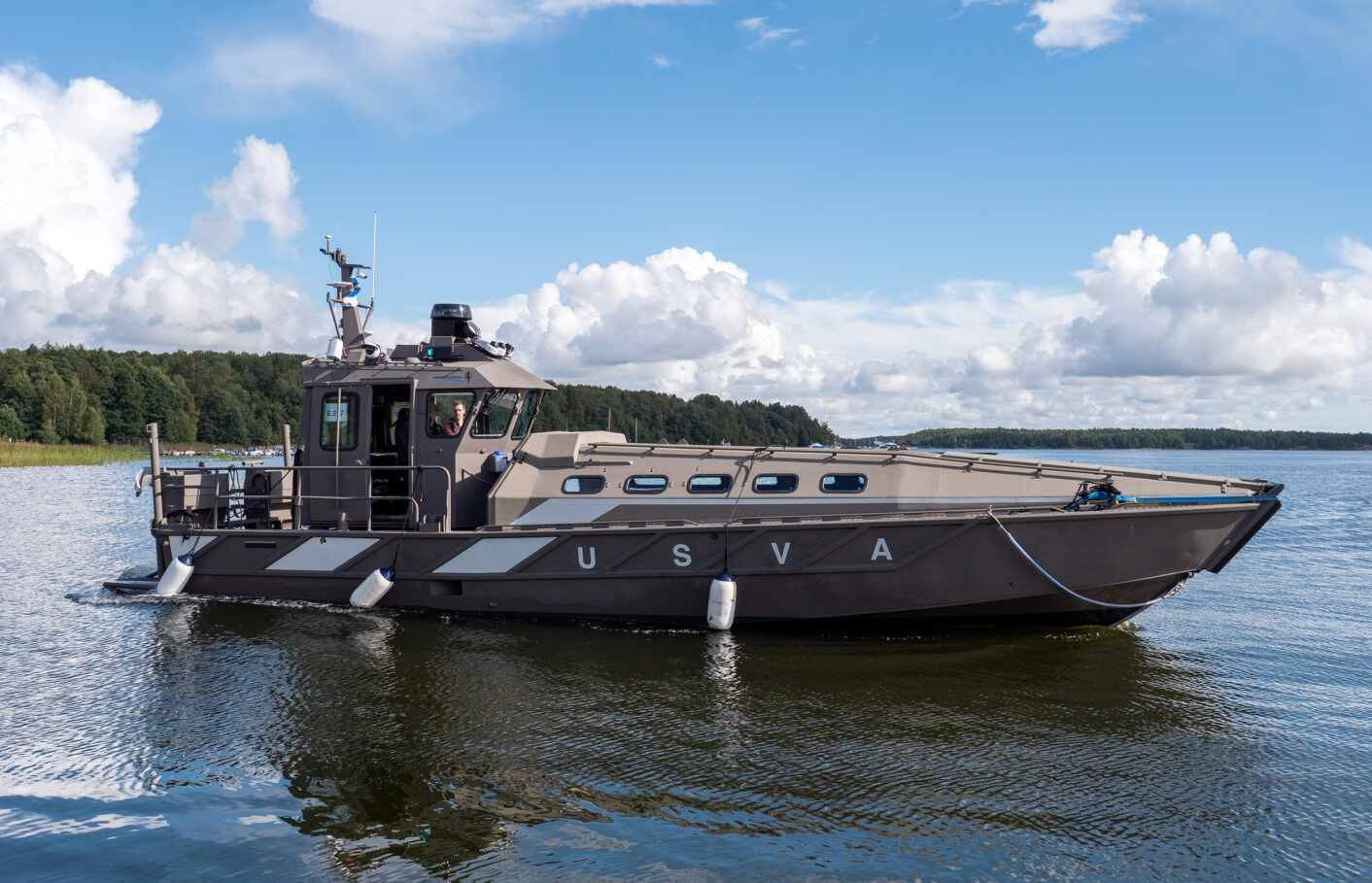
The new remotely controlled test platform built as part of the project was unveiled at the Port of Lappohja in September. The pilot vessel selected was a Watercat M12 boat, approximately 14 meters long, previously used by the Navy, and it was modernized for its new purpose.
Marine Alutech, a partner in the USVA project, refurbished and equipped the vessel and made the necessary technical modifications. Systems necessary for environmental monitoring, remote operation, and autonomous operation were integrated into the vessel.
− This has been a major undertaking. Now the platform can be controlled from a remote control station. In our vision, the mother ship could be complemented by a fleet consisting of smaller maritime drones. In addition to surface and underwater drones, the mother ship could also launch flying drones, explains Chief Advisor Juha Kalliovaara.
Aiming for surveillance missions
Turku UAS has been conducting research on unmanned maritime operations for years. The USVA project is developing autonomous vessels for surveillance missions. Their purpose is to detect abnormal activity and provide situational awareness if, for example, something threatens undersea infrastructure, such as subsea cables or energy pipelines.
In addition to easing the workload of the authorities, these vessels offer an economical solution. The Baltic Sea region is vast, and comprehensive monitoring of it using human resources is costly. Autonomous vessels make it possible to conduct surveillance more frequently than is currently the case. Furthermore, they can remain at sea for longer periods of time.
− The goal is for the vessels to be able to carry out their assigned surveillance and inspection tasks in the archipelago and in environments such as the Baltic Sea as independently as possible, under the supervision of a remote operator.
Towards autonomous operation
The final demonstration of the entire project will be carried out with the M12 pilot vessel in summer 2027. Until then, development work will continue as additional features are integrated into the vessel.
− Next summer’s demonstration will involve the inspection of underwater critical infrastructure; in other words, it will use an underwater sensor to examine the condition of critical infrastructure and detect any anomalies. The goal is to demonstrate the vessel’s autonomous operation and its ability to account for other maritime traffic in accordance with international rules of the road, Kalliovaara explains.
Current legislation and international regulations do not yet fully permit the widespread use of unmanned and autonomous vessels among regular maritime traffic.
− In the future, we will need to develop legislation and international regulations so that unmanned and autonomous vessels can be used more widely than they are today, says Kalliovaara.
Turku UAS’ share of the USVA project’s public research budget is approximately 1.3 million euros. The project is funded by Business Finland.
In December, more will be discussed about the development of autonomous vessels at the USVA seminar. At the seminar, industry experts will discuss how autonomous surface vessels can be developed to protect undersea cables, wind farms, and ports.
The event is being organized in collaboration with the Critical Infrastructure Protected Against Hybrid Threats (HUSKI) project.
More information
-
Press Release
Unmanned vessels help maritime surveillance
Traditionally, the Finnish Navy and the Finnish Border Guard have been responsible for monitoring maritime infrastructure in Finland. The addition…
Read next
-
Press Release

Study: Values Influence the Decision to Buy Refurbished Electronics
Consumers’ perceptions of refurbished electronic products are often based more on emotions than on knowledge of their actual characteristics. Therefore, the perceptions associated with used and subsequently refurbished…
-
Press Release

Interview Study by Turku University of Applied Sciences: Technology Cannot Replace Salespeople, Judgment Is the Key to Closing Sales
New technologies have rapidly transformed business-to-business sales. According to a recent study, the most critical factors are the appropriate use of tools and the salesperson’s ability to choose…
-
News

Our alumni’s employment and satisfaction with their degree are examined in a Career Monitoring Survey
How have graduates of Turku University of Applied Sciences fared in the job market, and are they satisfied with their degrees? These and other questions are addressed annually…